
Teresa Coady: Redesigning built environments for life rather than machines
In this podcast episode, Teresa sheds light on why we need to go beyond thinking about wellness through an individualistic lens to looking at it through a systemic lens; how we've largely been designing our built environments for machines rather than for life and ecological health; and more.
Maurie Cohen: Looking past individualism to seeing consumerism through a systemic lens
In this podcast episode, Maurie sheds light on what we can learn from viewing conscious consumerism, not through an individualistic lens, but a more collective one; the limitations and cautions against seeing localization as our path forward; and more.

Sasha Duerr: Natural colors and the convergence of slow food and slow fashion
In this podcast episode, Sasha sheds light on how the creative industry's obsession with Pantone's colors of the year reflects our dominant culture; the potential of medicinal plants, when used as dyes on our clothing, to aid in our healing and wellness; and more.
Jeff Tkach: Connecting functional medicine and regenerative agriculture for our collective health
In this podcast episode, Jeff sheds light on the relationship between functional medicine and regenerative agriculture; how regenerative farming may impact our public health and social justice; and more.
Mikaela Loach: Distinguishing ecofascism and dismantling white supremacy in environmentalism
In this podcast episode, Mikaela sheds light on the dangers of what can happen when white supremacy seeps into environmental activism, thus perpetuating ‘ecofascism’; how narratives framing global population growth as environmental harms can perpetuate racism and economic injustice while overlooking the actual roots of our ecological breakdown; and more.
![Charles Eisenstein [part 2]: Reintegrating our humanity into the tribe of all life on earth](https://images.squarespace-cdn.com/content/v1/64f426a2d1a964178900fac8/1695191531797-355QHPXT3IF8JEFTH36U/Green%2BDreamer%2B-%2BPodcast%2Bon%2BEnvironmental%2BSustainability%2Band%2BRegeneration+%2810%29.png)
Charles Eisenstein [part 2]: Reintegrating our humanity into the tribe of all life on earth
In this podcast episode, Charles sheds light on how the responses of various governments to the coronavirus pandemic, such as lockdown, quarantine, surveillance and tracking, censorship of misinformation—justifiable or not—have been authoritarian, and why we should remain critical of these approaches even if we understood their immediate-term purpose; how our dominant use and acceptance of the meaning of certain words, such as 'privilege' to mostly mean financially well-off, cis-gendered, able-bodied, or white, feed into implicitly upholding the same value systems we're trying to dismantle; and more.
![Charles Eisenstein [part 1]: Beyond the war mentality against climate change, criminal justice, coronavirus](https://images.squarespace-cdn.com/content/v1/64f426a2d1a964178900fac8/1695192600989-71KMKR5C43CXCVX1A72S/Green%2BDreamer%2B-%2BPodcast%2Bon%2BEnvironmental%2BSustainability%2Band%2BRegeneration+%2811%29.png)
Charles Eisenstein [part 1]: Beyond the war mentality against climate change, criminal justice, coronavirus
In this podcast episode, Charles sheds light on how our shortsighted war mentality against climate change parallels with our dominant approaches to combating the coronavirus pandemic as well as crime in our criminal justice system; whether it's possible to be ethical within an unethical system or sustainable in an exploitative and extractive system; and more.
Jared Ball: Critically examining impact over optics to support black liberation
In this podcast episode, Dr. Ball sheds light on how the state and corporate worlds have shaped our educational institutions and the subject areas getting the most funding; how the myth of Black buying power has been used to blame Black communities for their own poverty based on squandered economic opportunity; and more.
Vandana Shiva: Seeding freedom in this time of oneness vs. The 1%
In this podcast episode, Dr. Shiva sheds light on what philanthrocapitalism is and how this form of charity may not lead to a net benefit for our humanity and ecological wellbeing; how Bill Gates has shown, by his work, that he may be on a quest for a new type of colonization that concerns all of life; and more.
Rutger Bregman: Transforming our future by relearning a hopeful history of humankind
In this podcast episode, Rutger sheds light on how our human evolution has actually been about the survival of the friendliest rather than the fittest; how power literally changes people's brains and makes them less able to empathize and see the humanity in others; why we need a perspective shift on our human nature in order to transform our future; and more.
Shubhendu Sharma: Using cultural and historical knowledge to support regenerative reforestation
In this podcast episode, Shubhendu sheds light on the intricacies that go into regenerative reforestation efforts, which go beyond just planting trees and consider various contexts, such as the history and culture of a region; how scarcity is a human construct because when our ecosystems are functioning as they should, they inherently hold regenerative capacities to recreate abundance; and more.
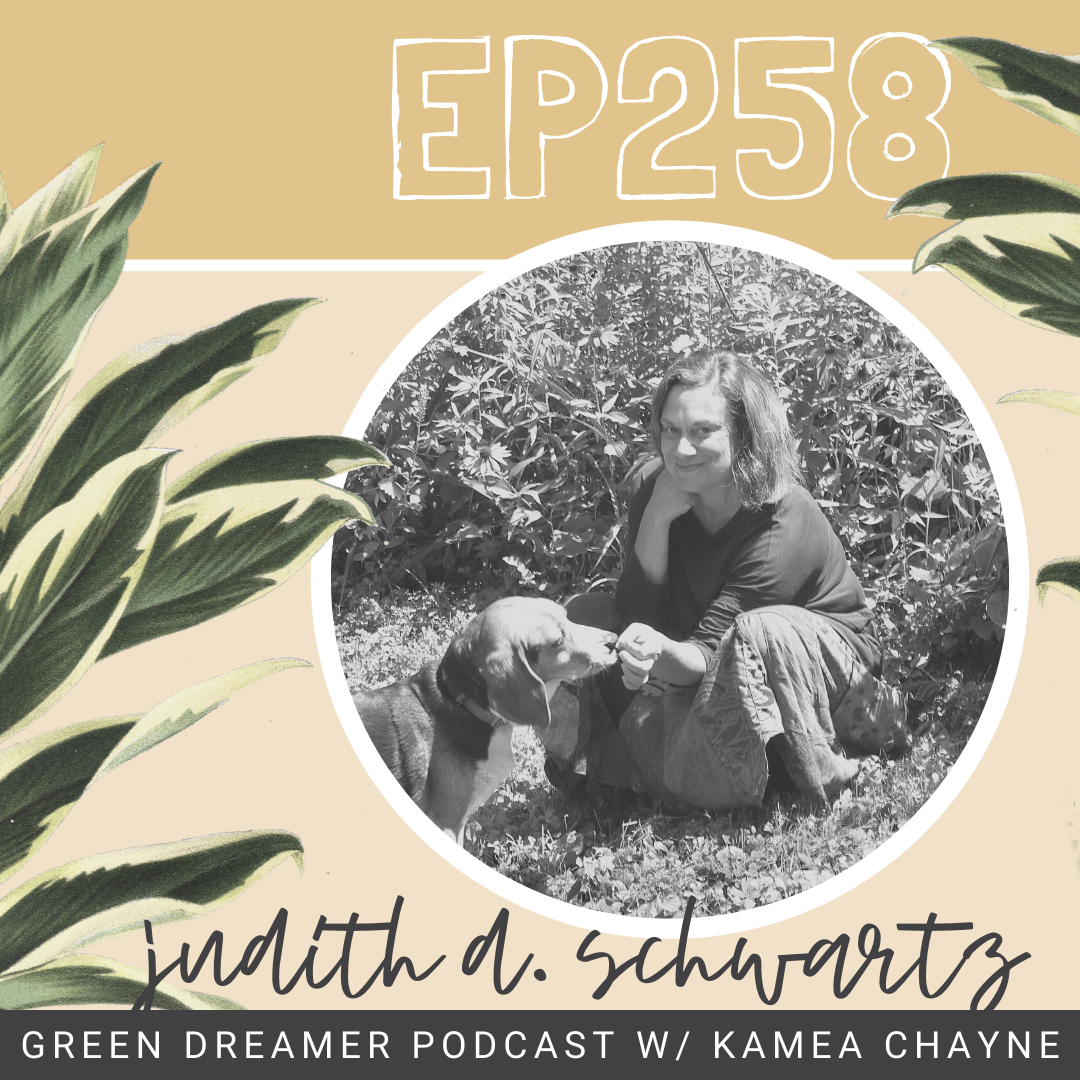
Judith D. Schwartz: Healing the water cycle to restore climate and ecological balance
In this podcast episode, Judith sheds light on why we need to look beyond how much water we use to the water cycle itself when talking about water scarcity and conservation; why we need to understand and address climate change through the lens of water (and not just carbon dioxide); and more.
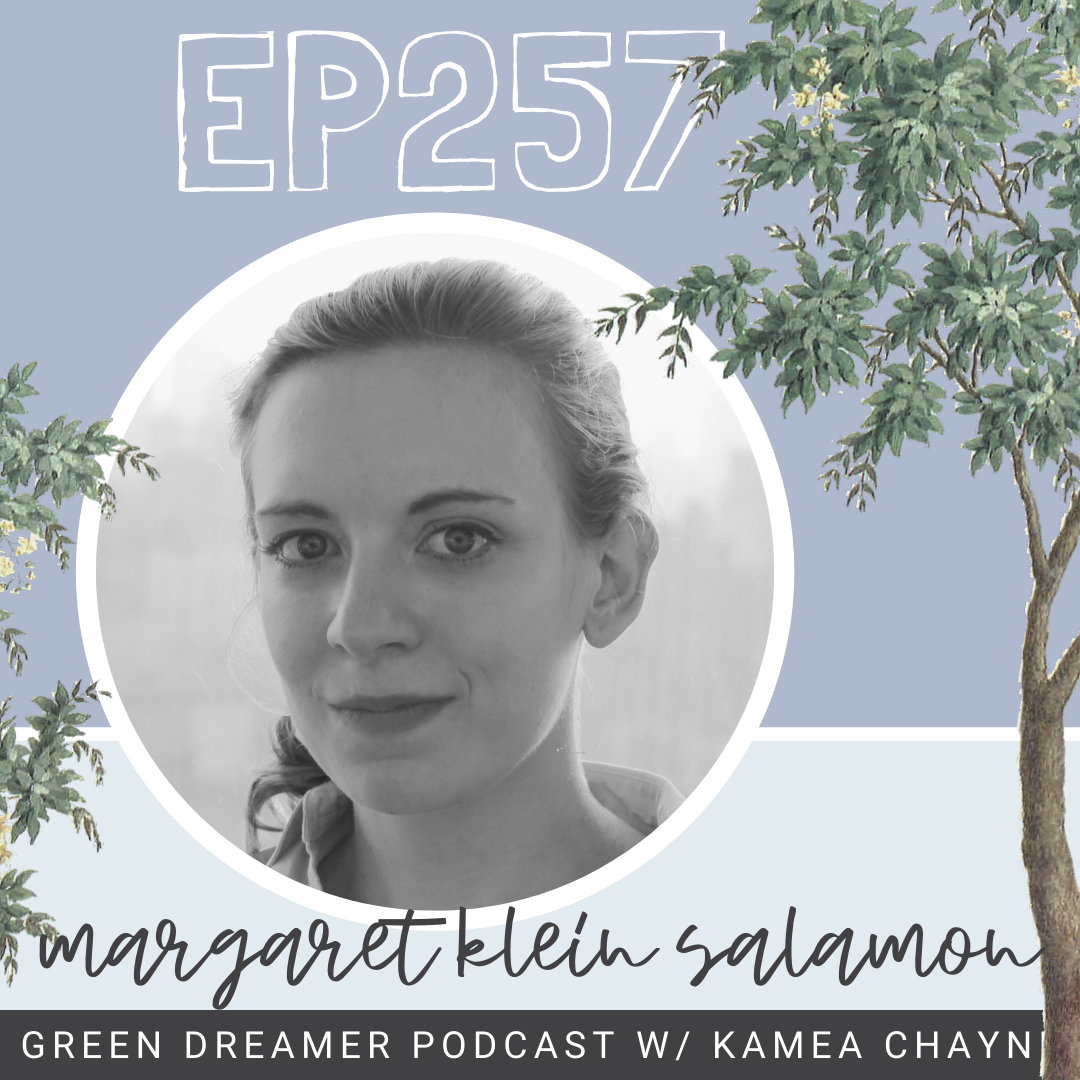
Margaret Klein Salamon: On the psychology of influencing change and facing the climate emergency
In this podcast episode, Margaret sheds light on some of the psychological phenomena that explain why our public response to climate change hasn't reflected the urgency that it warrants; why the environmental movement's fear of making people feel fear when it comes to telling the truth about our ecological breakdown has been misguided; and more.
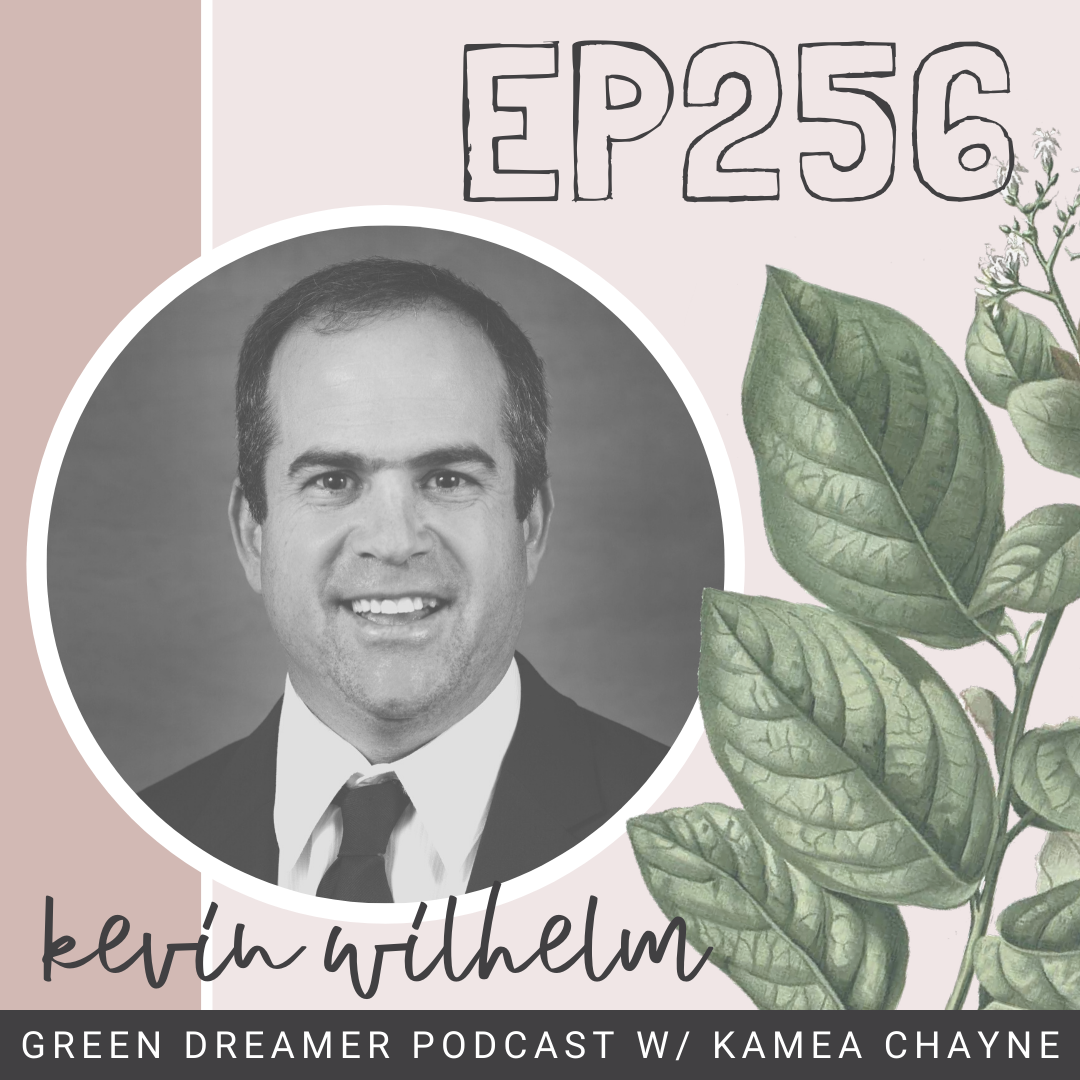
Kevin Wilhelm Of How To Talk To The Other Side: Finding common ground in the age of a global pandemic and climate change (podcast interview)
In this podcast episode, Kevin sheds light on how we can most effectively talk to people outside of the sustainability bubble to expand the environmental movement; how we can put aside our differences in the name of furthering our common goals of healthy communities, healthy environments, and safe spaces for all; and more.
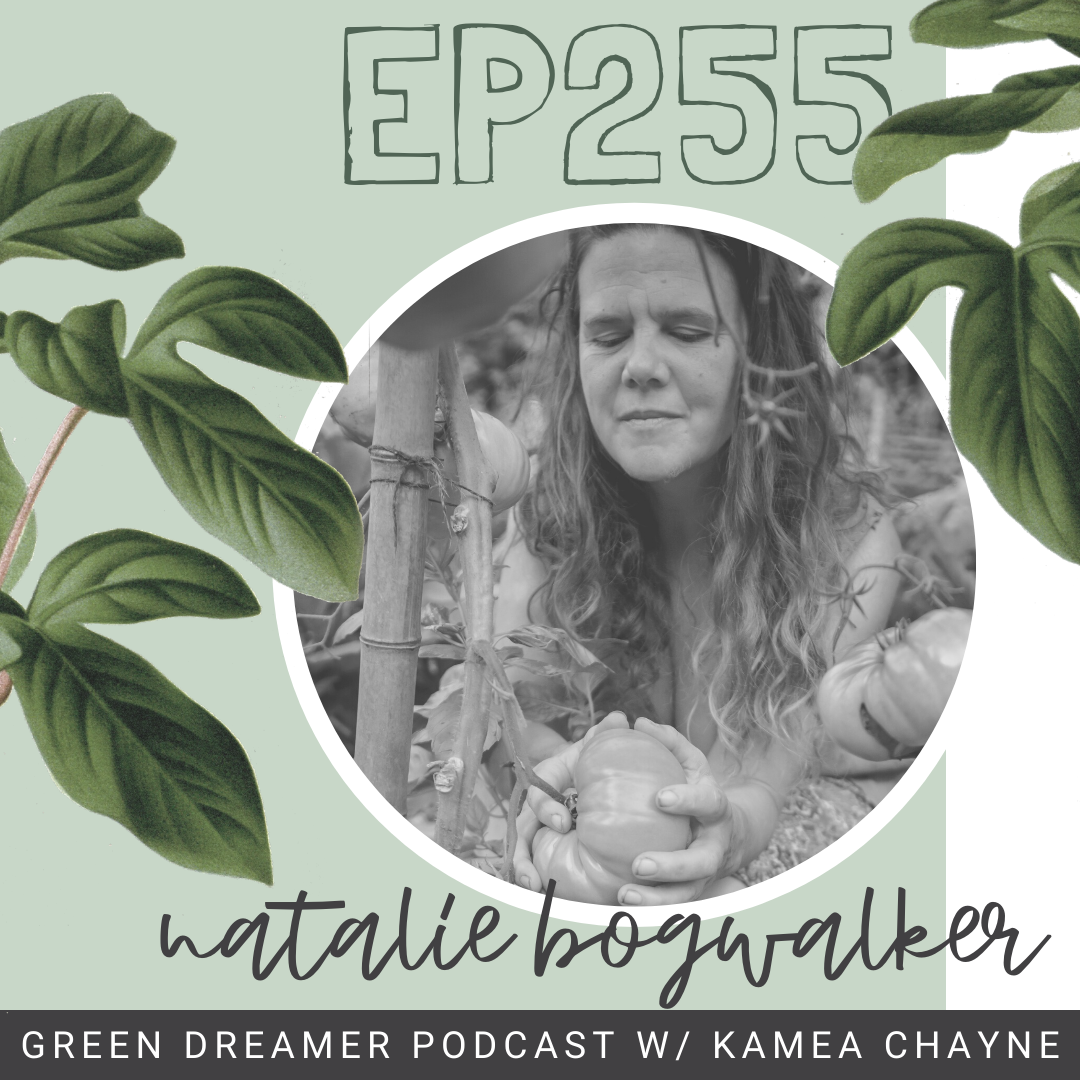
Natalie Bogwalker Of Wild Abundance: Building resilience with permaculture and primitive skills (podcast interview)
In this podcast episode, Natalie sheds light on her online gardening course, which has been especially relevant as people are learning to grow their own foods amidst COVID-19; whether and how the pandemic has affected her off-grid lifestyle; and more.