
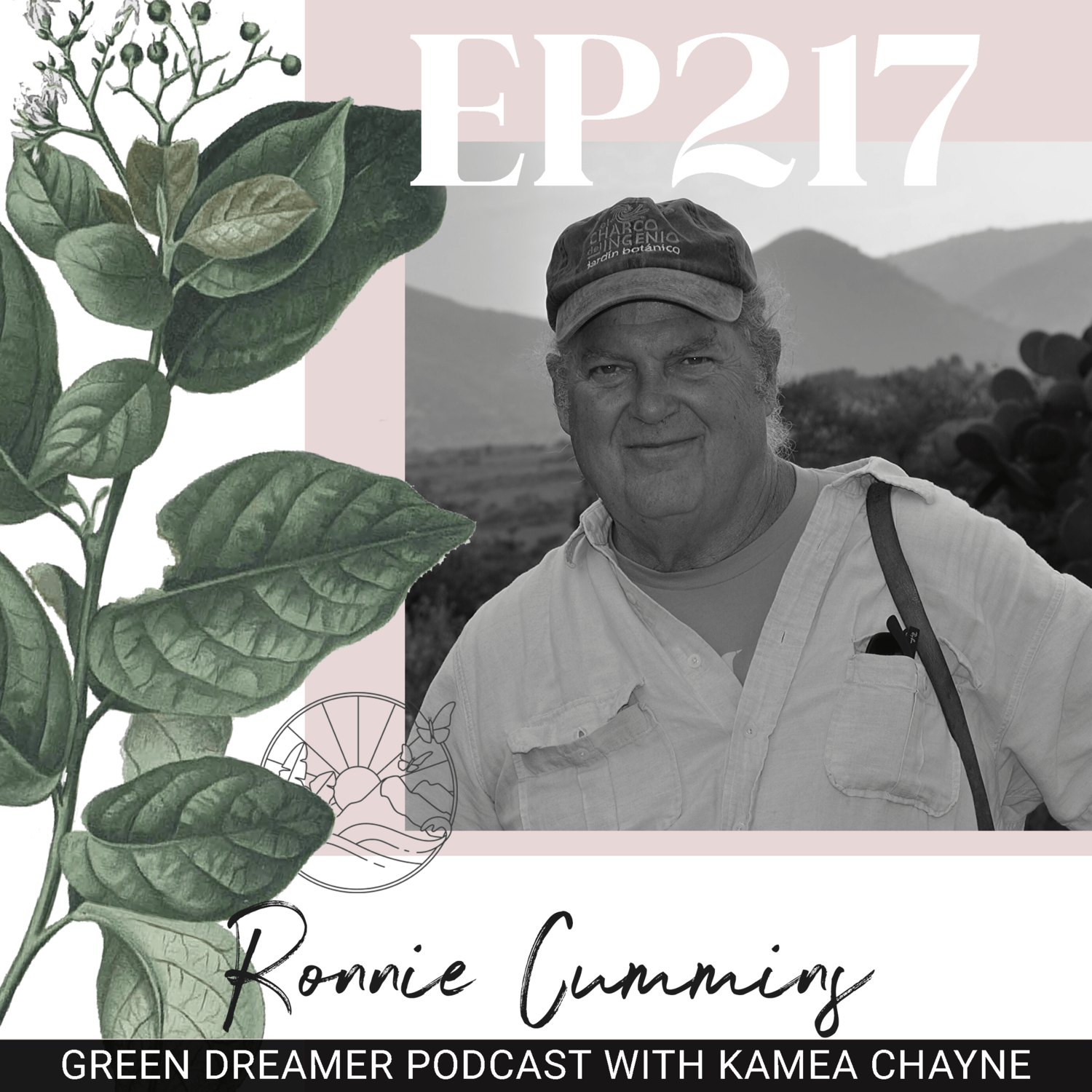
Building a grassroots movement for the regeneration revolution (interview with ronnie cummins of organic consumers association and regeneration international)
In this podcast episode, Ronnie sheds light on his path to building a grassroots movement of millions of organic consumers; why he views fake foods, such as fake meat, as a false solution to our broken food system; how this new regeneration movement can help to unify our varied siloed movements focusing on different aspects of our social and ecological crises; and more.

Reversing desertification and regenerating life on degraded lands (interview with ashleigh brown of ecosystem restoration camps)
In this podcast episode, Ashleigh sheds light on what it means for climate change that 90% of our greenhouse gases, by volume, is actually water vapor; what it takes to actually regenerate life and help jumpstart the water cycle again on desertified lands; and more.
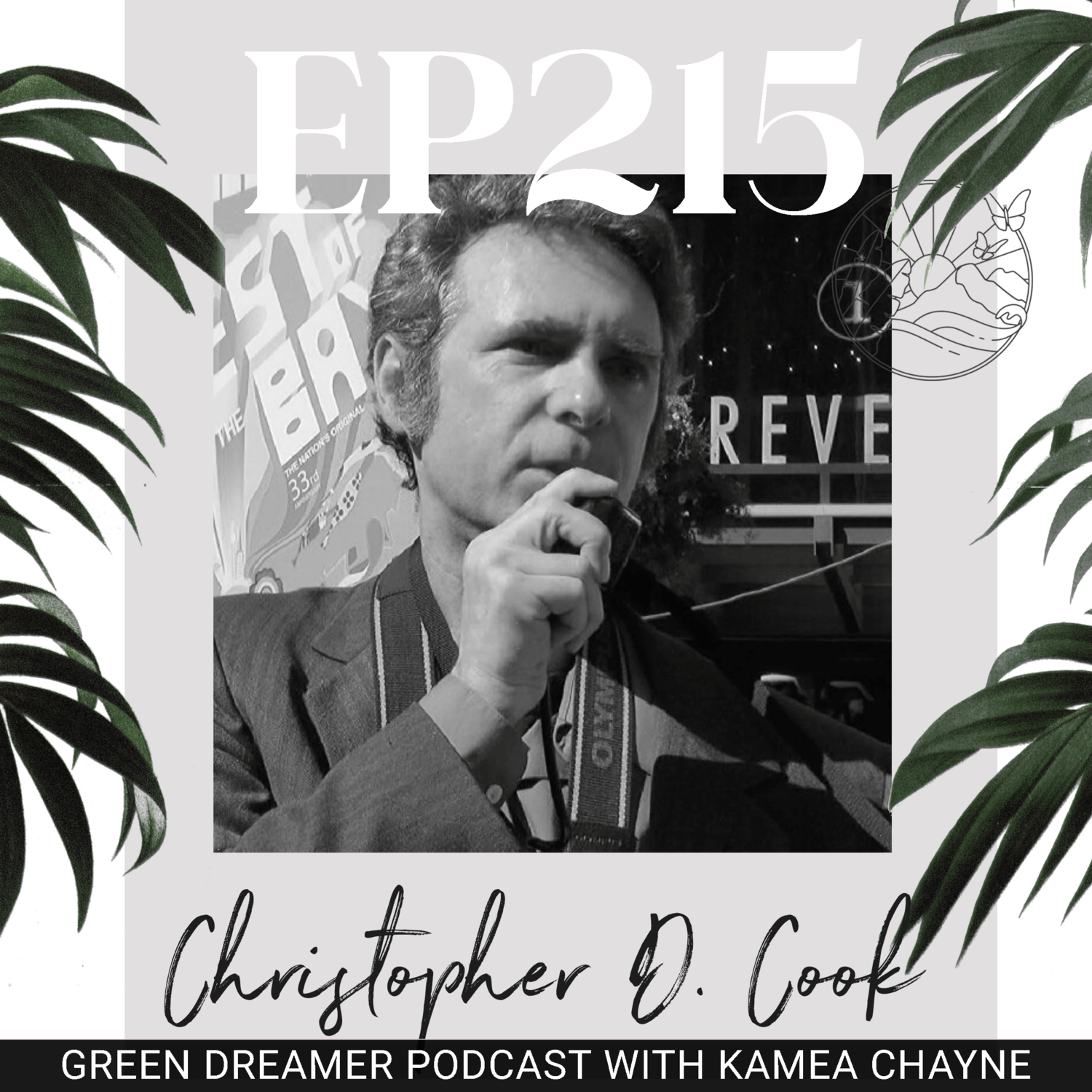
How our subsidies and trade deals enabled the broken globalized food system (interview with christopher d. Cook of diet for a dead planet)
In this podcast episode, Christopher sheds light on how our subsidies, trade deals, and policies have incentivized the inefficiencies and nonsensical back-and-forth trades in our modern, globalized food system; why politics can actually be very unifying when we examine the real issues that the majority of the people are facing today; and more.
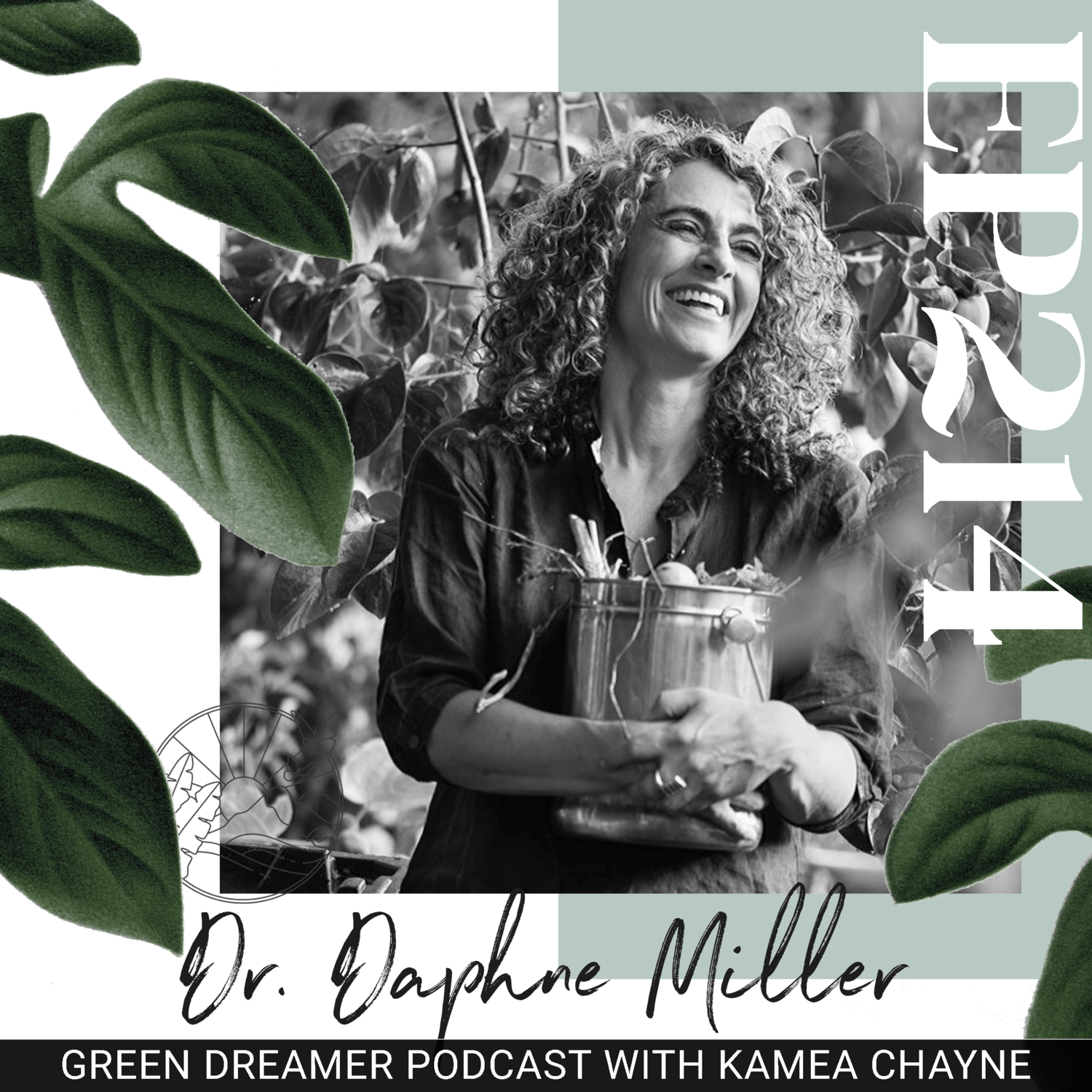
Taking a more holistic view on personal and planetary health (interview with physician and research scientist dr. Daphne miller)
In this podcast episode, Daphne sheds light on why we need to dismantle the idea that spending more on health equals better health outcomes; the primary causes leading the nutrition levels within our whole foods to have decreased over the decades; and more.
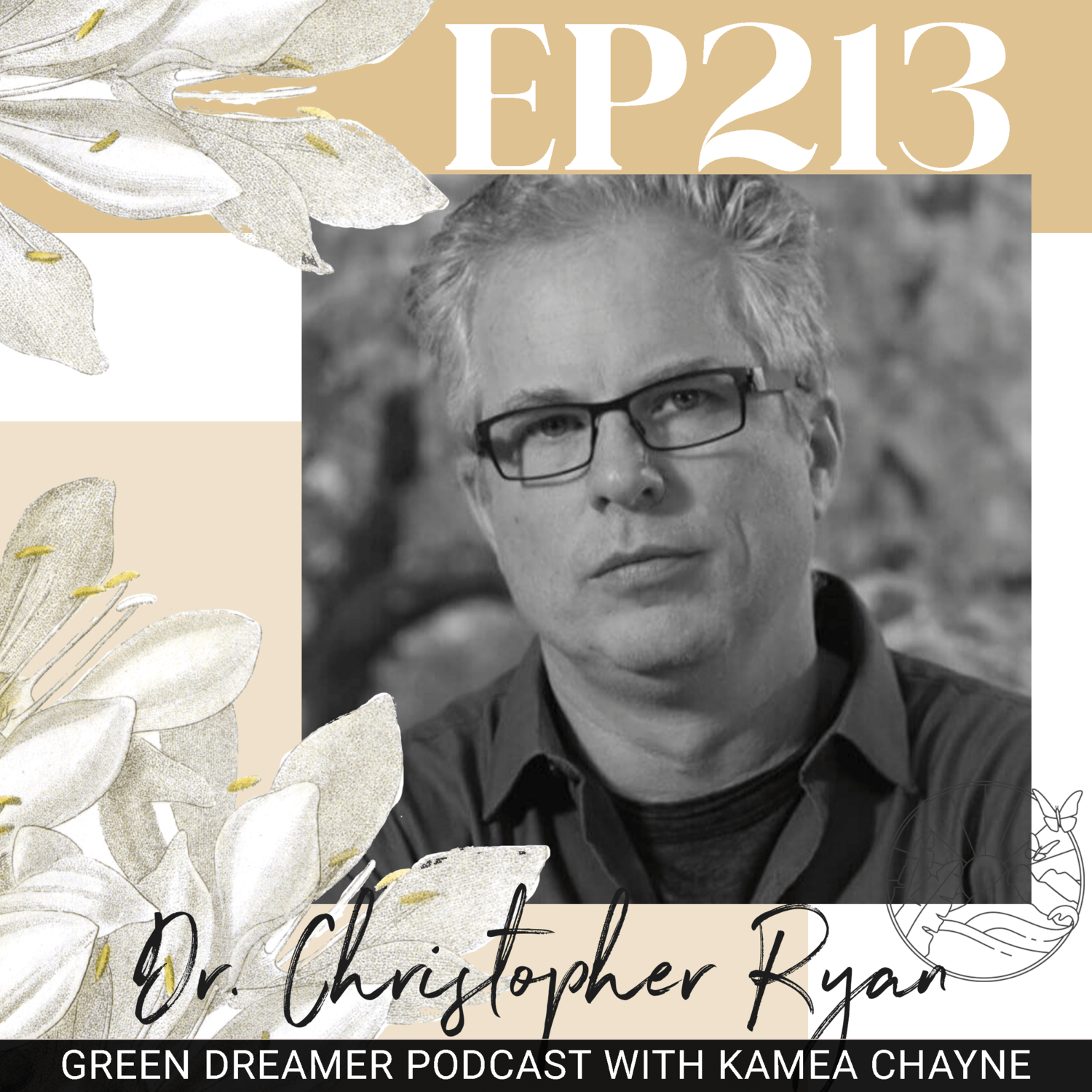
Debunking the myths of civilization and learning from prehistoric humans (interview with dr. Christopher ryan of civilized to death)
In this podcast episode, Chris sheds light on the common misconceptions we have of our prehistoric relatives and what we call ‘progress’ today; how the advent of agriculture gave way to the transition from more egalitarian communities to ones with hierarchical power structures that created greater inequality; and more.
How endless economic growth is incompatible with supporting life on earth (interview with shaun chamberlin of dark optimism)
In this podcast episode, Shaun sheds light on why the pursuit of endless economic growth is fundamentally incompatible with supporting continued life on earth; what it means to recognize the different layers of reality that people exist in today — namely, the reality of economics and politics, and the reality of physics and the environment; and more.
Reimagining the ways we package and consume beverages (interview with pierre paslier of notpla)
In this podcast episode, Pierre sheds light on how he learned from biomimicry to develop and fine-tune his idea to package drinks in edible packets; the difference between bioplastics that require industrial composting and ones that readily biodegrade in the soil (or are even edible!); and more.
Building relational, regenerative systems with localized fibersheds (interview with rebecca burgess of fibershed, part 2)
In this podcast episode, Rebecca sheds light on why the real solutions we need for our ecological crises will likely be undervalued and given less attention to (when compared to solutions driven by synthetic biology corporations); how localizing our textile systems can green the fashion industry in ways that a globalized system cannot; and more.
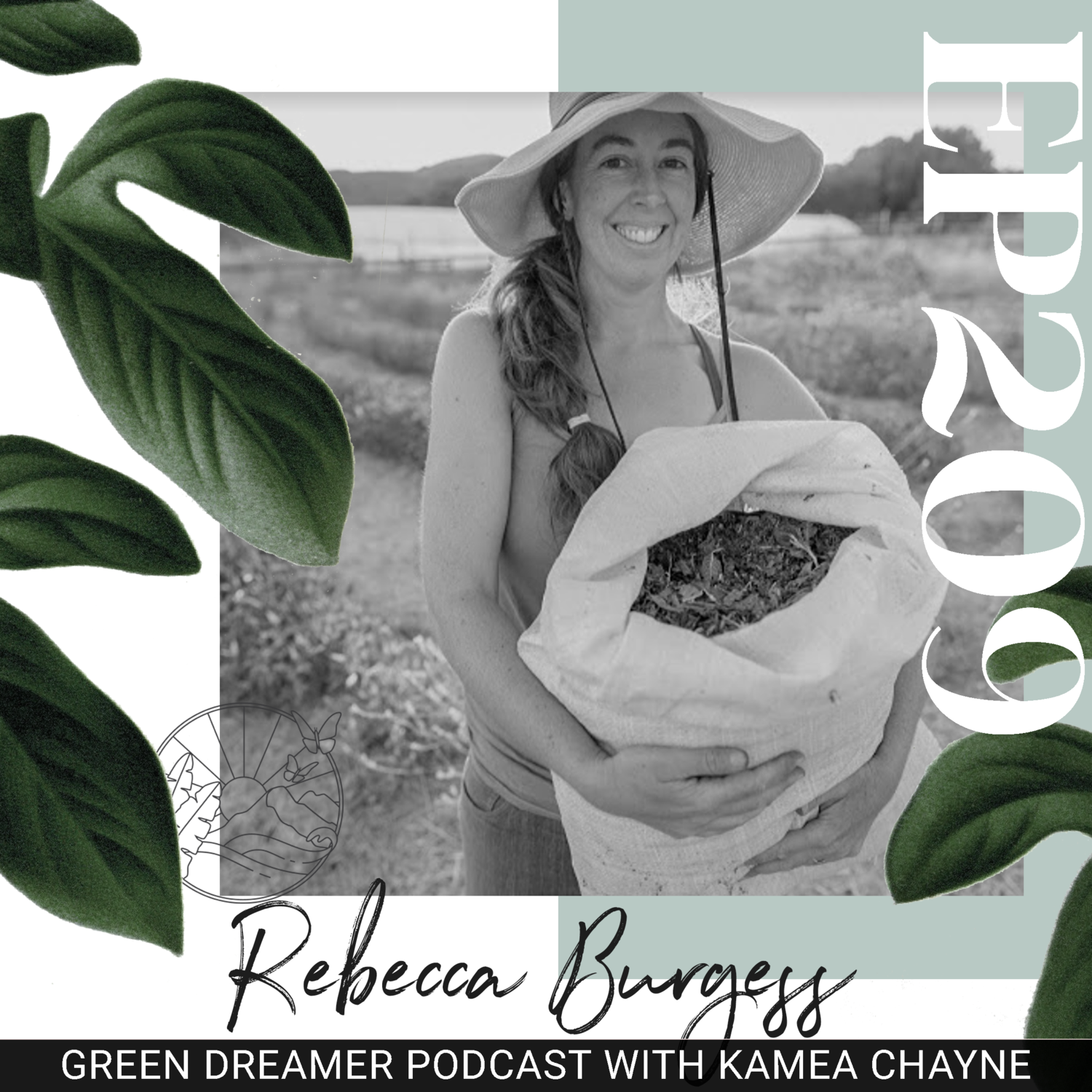
Revealing the false promises of synthetic biology (interview with rebecca burgess of fibershed, part 1)
In this podcast episode, Rebecca sheds light on how we came to globalize our fashion system; the known and unknown health effects associated with the AZO dyes frequently used on textiles; why she calls synthetic biology a “false solution” to the varied issues they claim to be able to address; and more.

Supporting energy sovereignty by providing access to solar power (interview with dory trimble of honnold foundation)
In this podcast episode, Dory sheds light on how a lack of access to energy today is tied to and perpetuates social inequity; why achieving energy sovereignty for vulnerable communities is vital for them to be able to reclaim their local decision-making power; and more.
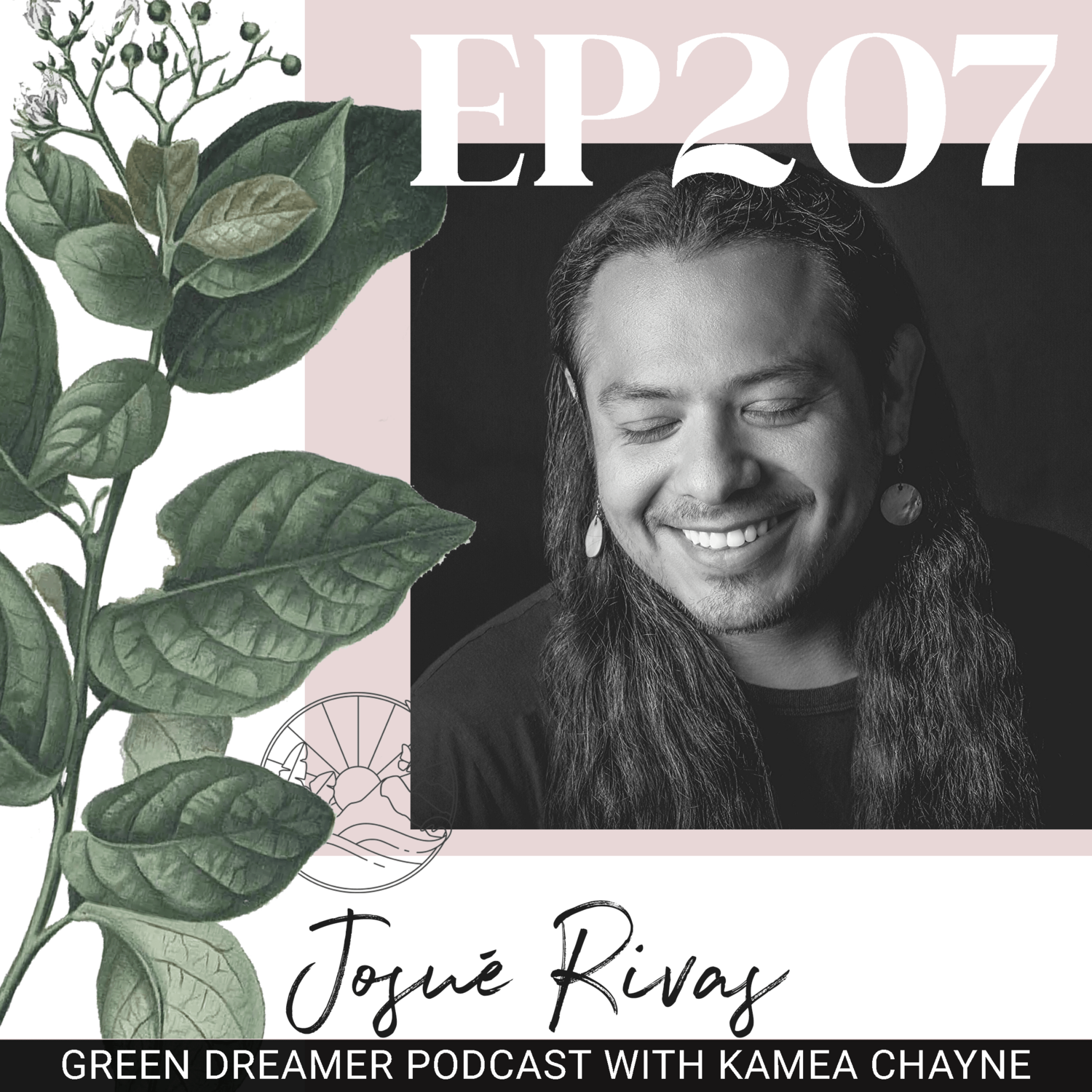
Building empathy through deep and intentional photojournalism (interview with josué rivas of natives photograph)
In this podcast episode, Josué sheds light on what the lack of diversity in our media newsrooms has meant for our public discourse and understanding of underrepresented communities; how intentional photojournalism and storytelling can help us build empathy for one another as fellow humans, rather than perpetuate stereotypes or cause divide; and more.
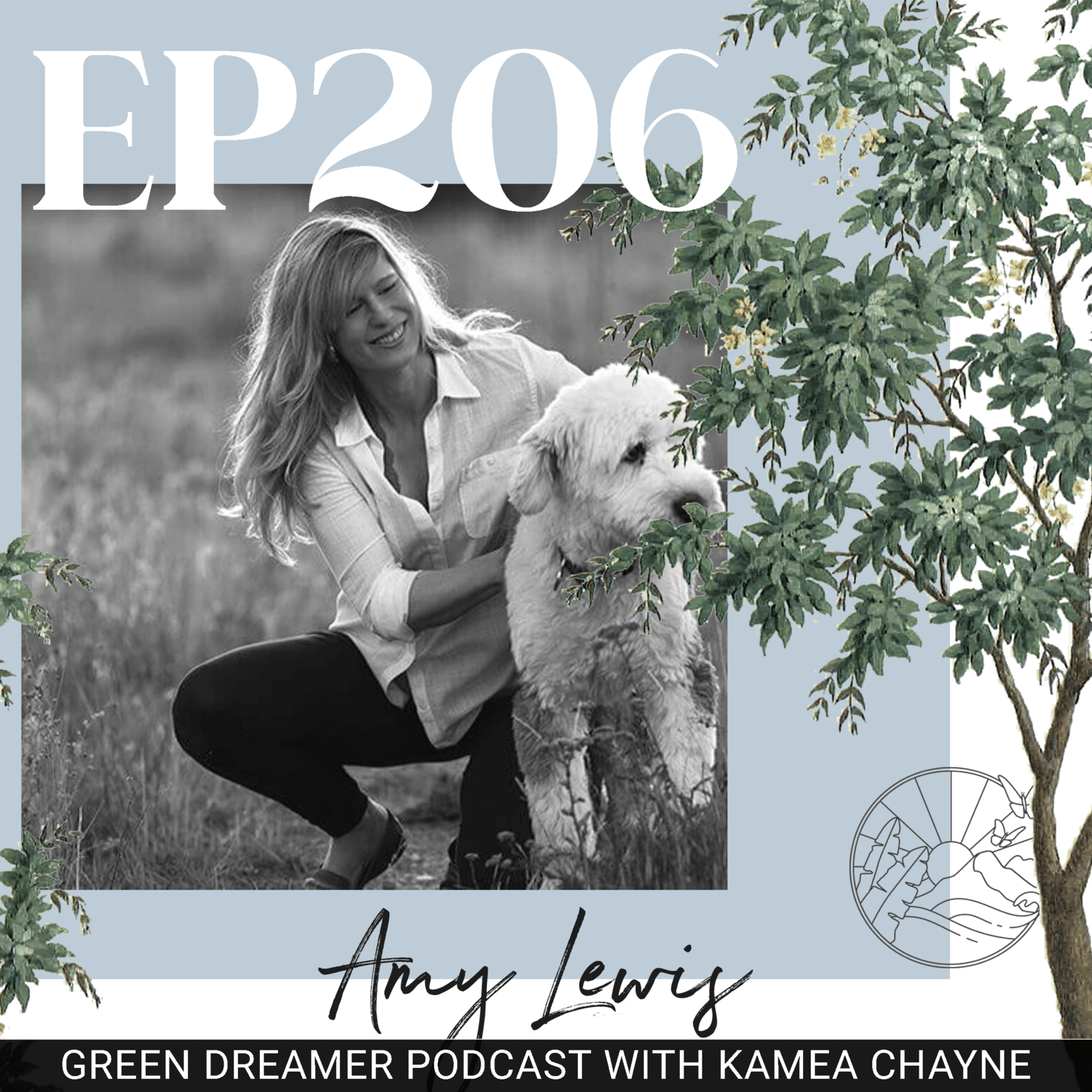
Using political science to inform how we can best effectuate change (interview with amy lewis of wild foundation)
In this podcast episode, Amy sheds light on some surprising lessons regarding the relationship between policy and science; why WILD Foundation is working to conserve half of our planet; and more.
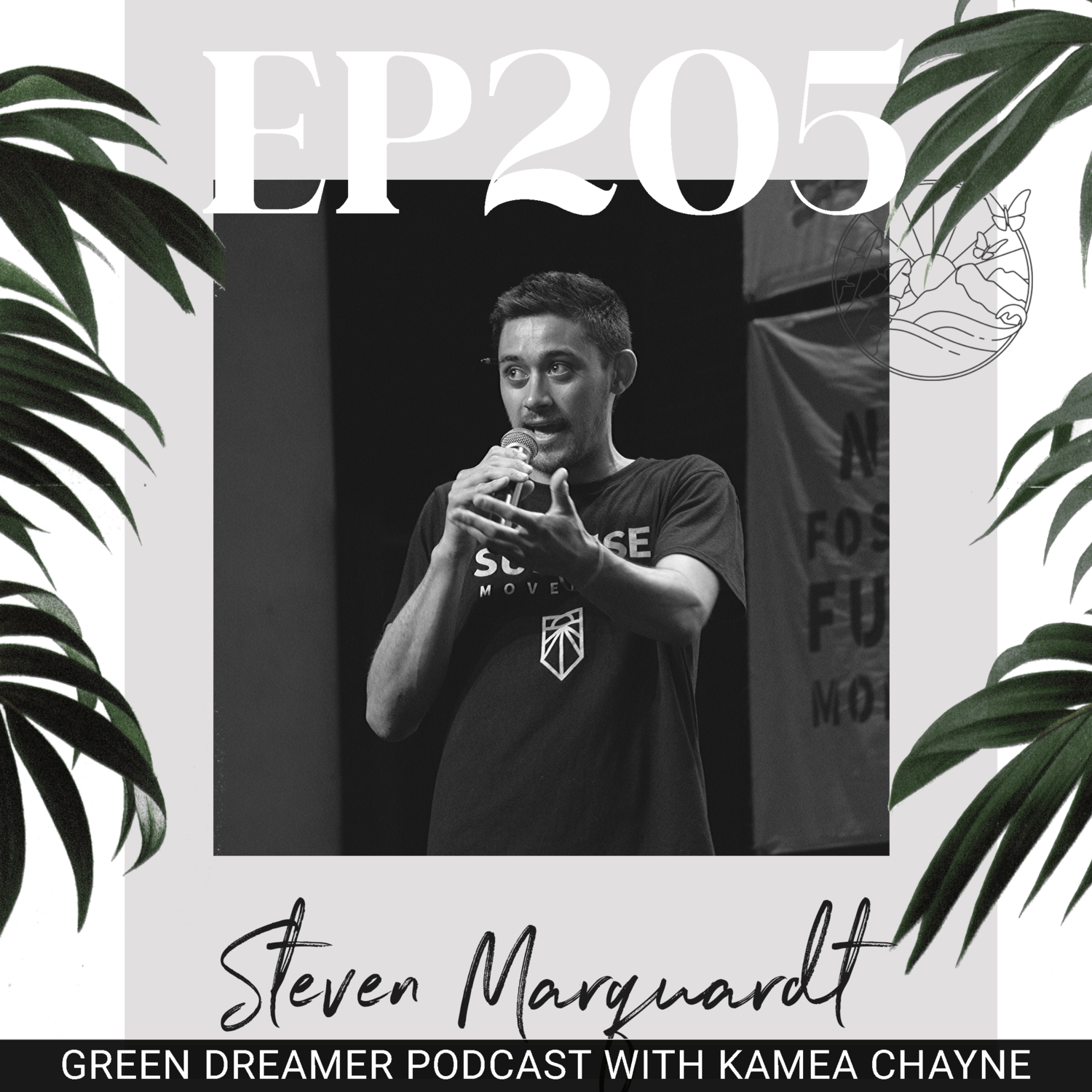
Turning fear into community-based activism with sunrise movement (interview with steven marquardt of sunrise movement)
In this podcast episode, Steven sheds light on why he wasn't interested at first in getting political and what changed his mind; how you can get started, taking and leading community-based action; and more.

What arthropods can teach us about social-emotional learning (interview with kristie reddick and jessica honaker of the bug chicks)
In this podcast episode, Kristie and Jessica shed light on whether there is any evolutionary reasoning behind our fear and aversion to bugs; how arthropods have shaped our modern human civilization throughout the course of our history; and more.
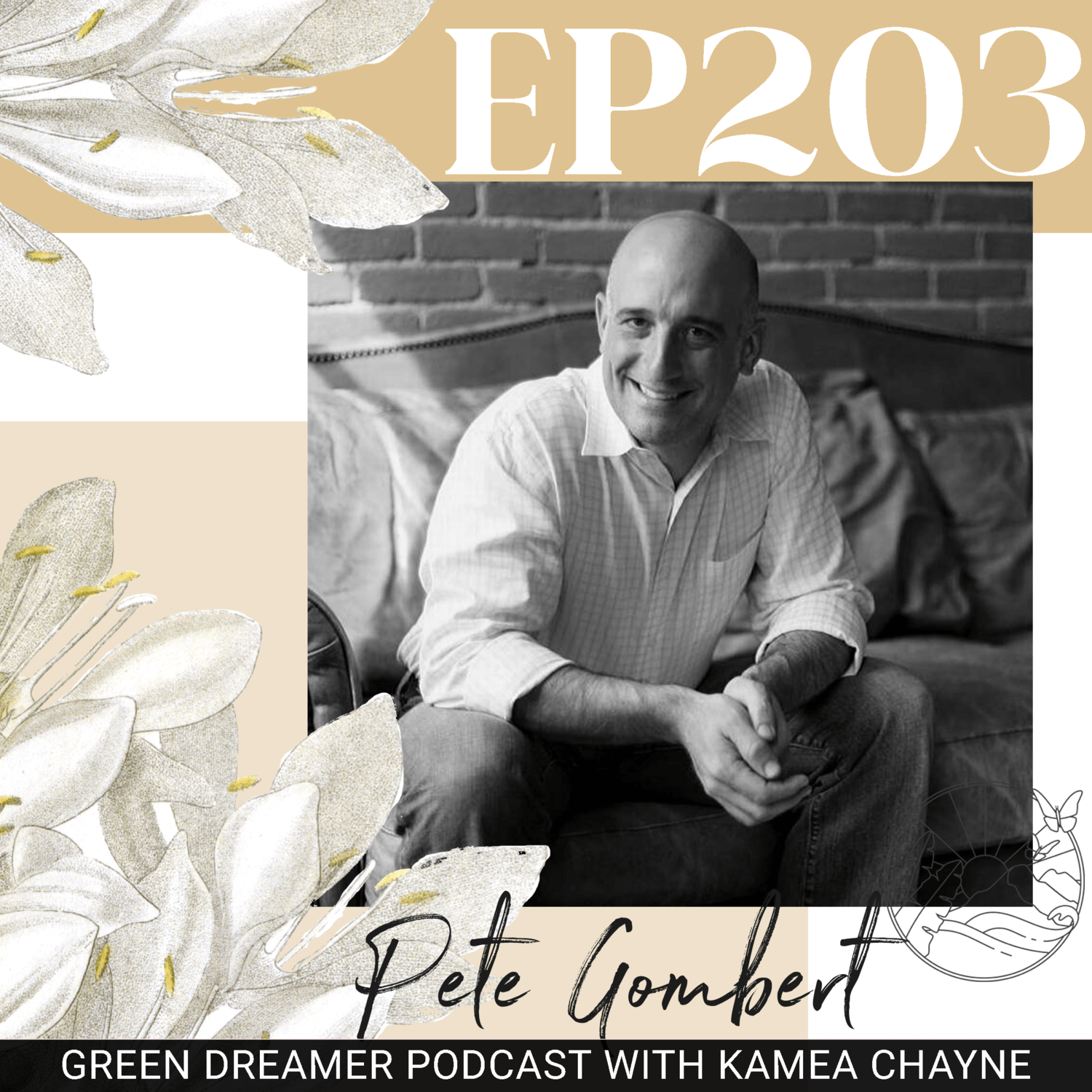
How affordable housing impacts public health and environmental justice (interview with pete gombert of indiedwell and goodwell)
In this podcast episode, Pete sheds light on what it means for companies and organizations to meet GoodWell's minimum ethical standard for how they treat their employees; how affordable housing is connected to public health and environmental justice; and more.