
Navigating the complex fight against anthropogenic invasive species (interview with entomologist mark hoddle)
In this podcast episode, Mark sheds light on when a nonnative species crosses the line becoming invasive species; how this human-driven issue may continue to aggravate over time and how we can address their potential harms to local biodiversity using nature-based solutions; and more.
Opening up environmental consciousness to new audiences (interview with stuart landesberg of grove collaborative)
In this podcast episode, Stuart sheds light on how he's been able to get so many people who've never tried eco-friendly products before to try out Grove Collaborative for the first time; the importance of making this movement non-exclusionary but inclusive, united by our common goals; and more.
Disrupting our wasteful culture around menstrual products and toilet paper (interview with miki agrawal of thinx)
In this podcast episode, Miki sheds light on the environmental impact of menstrual products and toilet paper; what it takes to disrupt culture to welcome new norms and new ways of thinking; and more.
Building community-based self-sufficiency and resilience through permaculture design (interview with rob avis of verge permaculture)
In this podcast episode, Rob sheds light on the importance of learning about bio-regionality so that we can better support the regeneration of our local ecosystems and divorce our globalized food system from its reliance on fossil fuels; why we need to rebuild community-based self-sufficiency for sustainability and not have to depend on a centralized food system, power system, water supply, and so forth; and more.
The root causes and effects of ocean plastic pollution (interview with emily penn of exxpedition)
In this podcast episode, Emily sheds light on why people in developed countries can't just look at the primary sources of ocean plastic pollution stemming from ‘developing countries’ and feel that this absolves us of responsibility; the known and unknown health impacts of chronic exposure to plastic bits and their associated chemicals; and more.
Redirecting otherwise wasted meals towards those struggling with food security (interview with winston chiu of rethink food nyc)
In this podcast episode, Winston sheds light on the relationship between food waste, marketing, and consumer perceptions of food; how we can implement and scale the solution of connecting food waste from restaurants and supermarkets, to those in need who currently live with food insecurity every day; and more.
Turning adversaries into allies to change animal agriculture (interview with leah garcés of mercy for animals)
In this podcast episode, Leah sheds light on the social, health and ecological impacts of factory farming, which dominates animal agriculture in the United States; the value and opportunities that lie in reaching across the aisle to work with people we may view as our adversaries; and more.
Emboldening native peoples to step into their role as hosts of the land (interview with mark charles, 2020 independent presidential candidate, part 2)
In this podcast episode, Mark sheds light on what it'll take for us to be able to truly address the systemic injustices embedded into our culture and society; his primary motivations to run for President of the United States as an Independent candidate; and more.
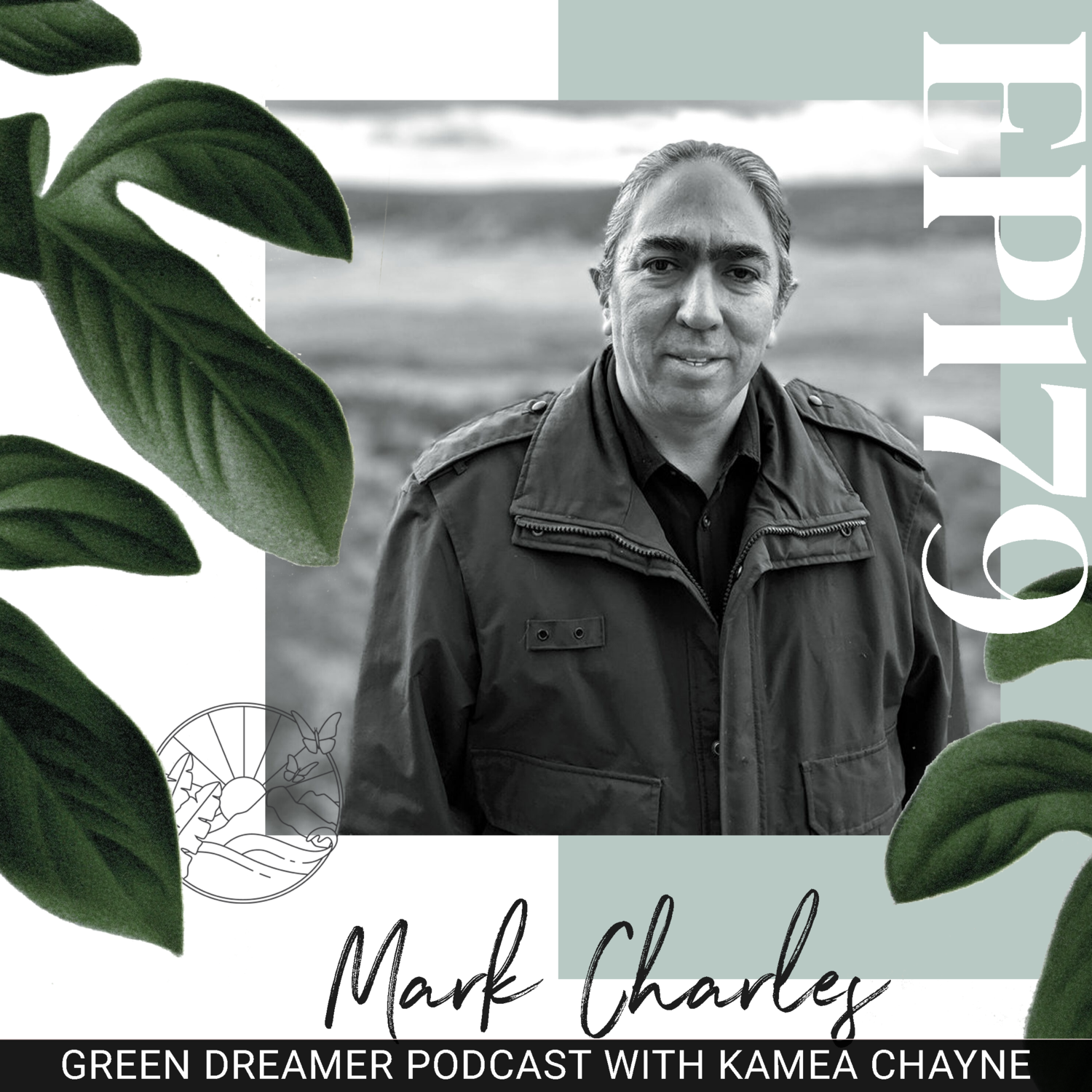
Unveiling the deeper roots of our systemic ecological and social injustice (interview with mark charles, 2020 independent presidential candidate, part 1)
In this podcast episode, Mark sheds light on why our social and environmental injustices are even more deep-rooted than the systems that we've set up; how the U.S. constitution, primarily serving the interests of white, land-owning men, has influenced the ways that our dominant society views and treats nature; and more.
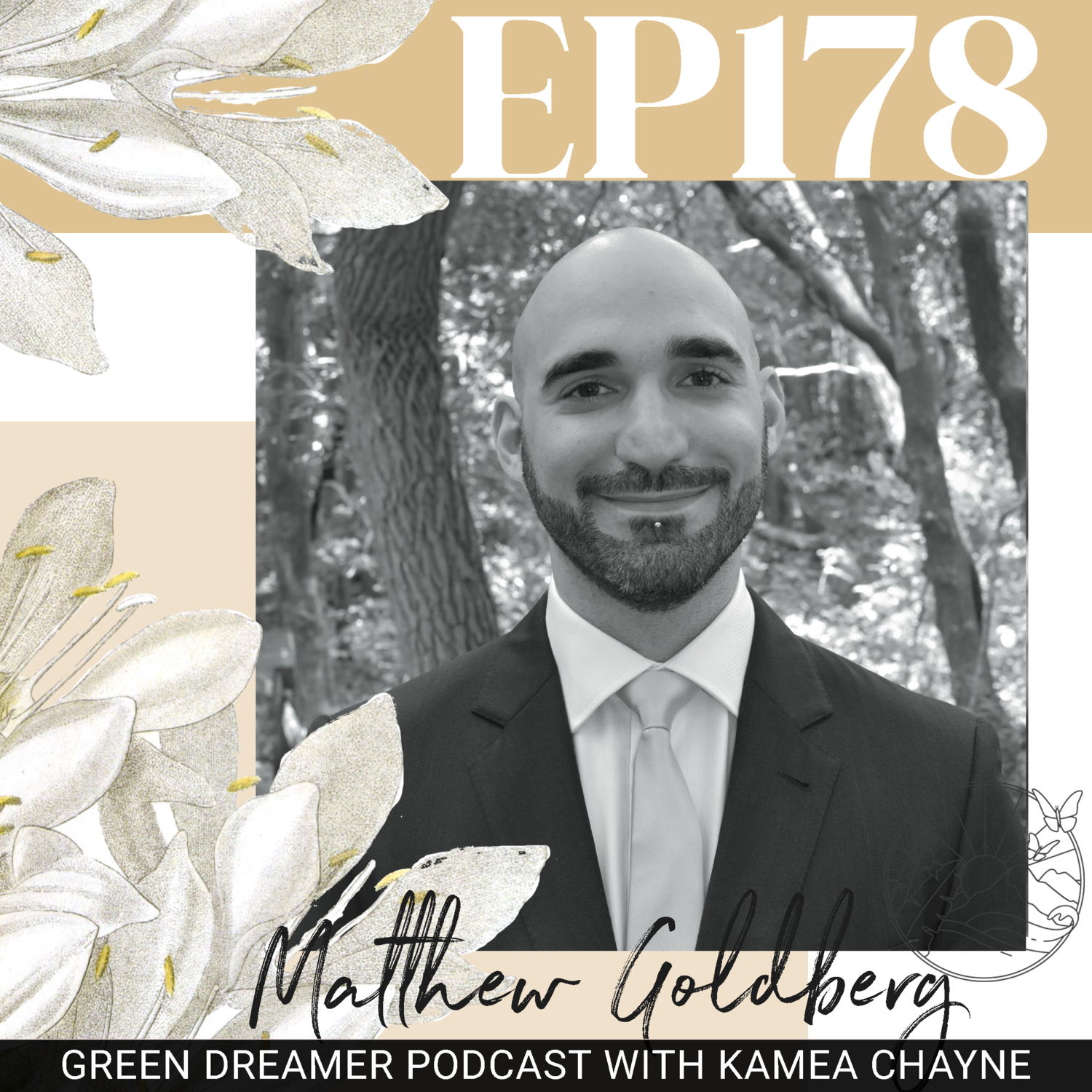
The psychology of what shapes public opinion on climate science (interview with matthew goldberg of the yale program on climate change communication)
In this podcast episode, Matthew sheds light on how climate change came to be so politicized; what we need to do to engage audiences in these discussions and to raise the level of public consensus to match scientific consensus; and more.
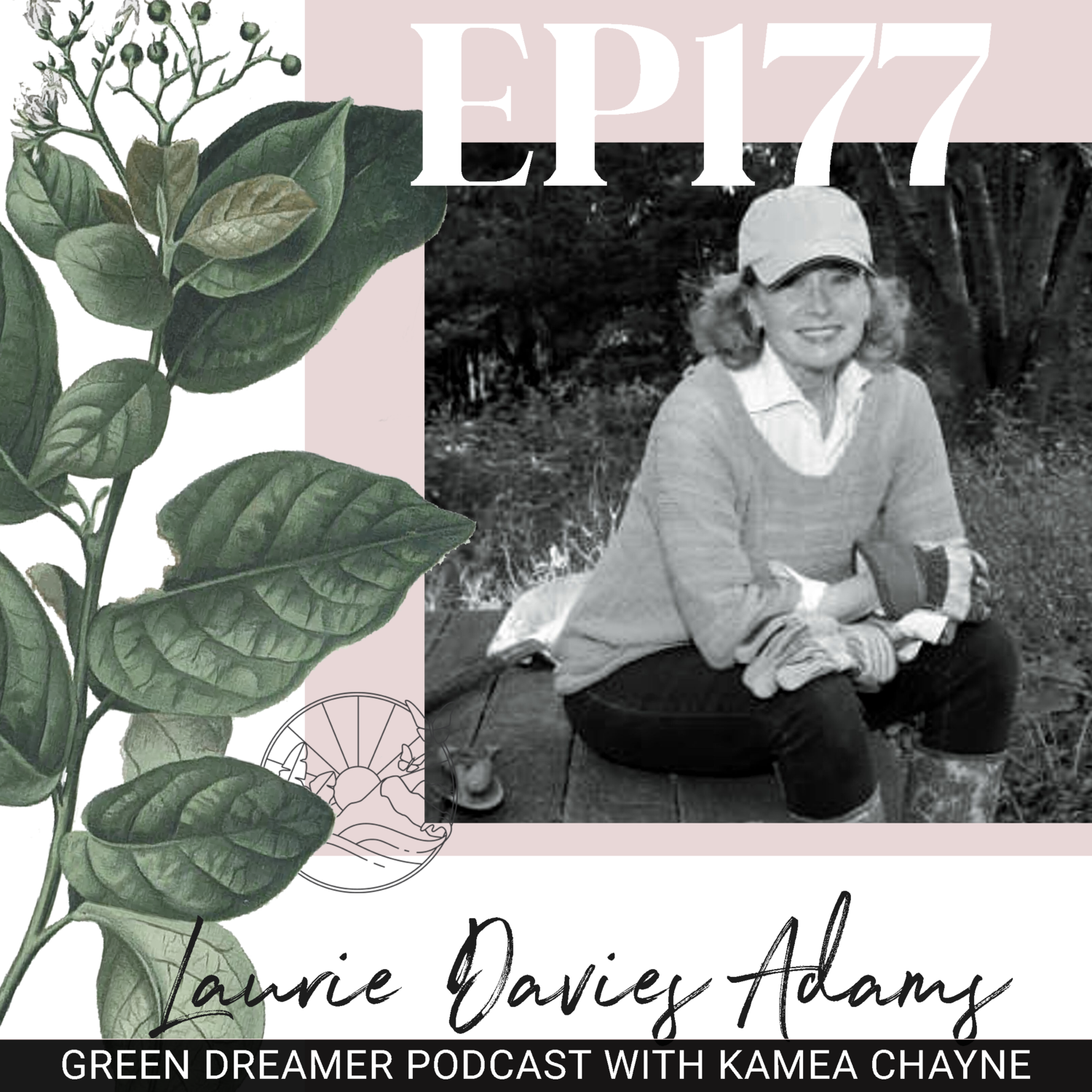
How pollinator conservation can unite all for a greener, healthier earth (interview with laurie davies adams of pollinator partnership)
In this podcast episode, Laurie sheds light on how our pollinators affect our food production, climate change, and our public health; the impact of industrializing beekeeping to serve our industrialized agriculture; and more.
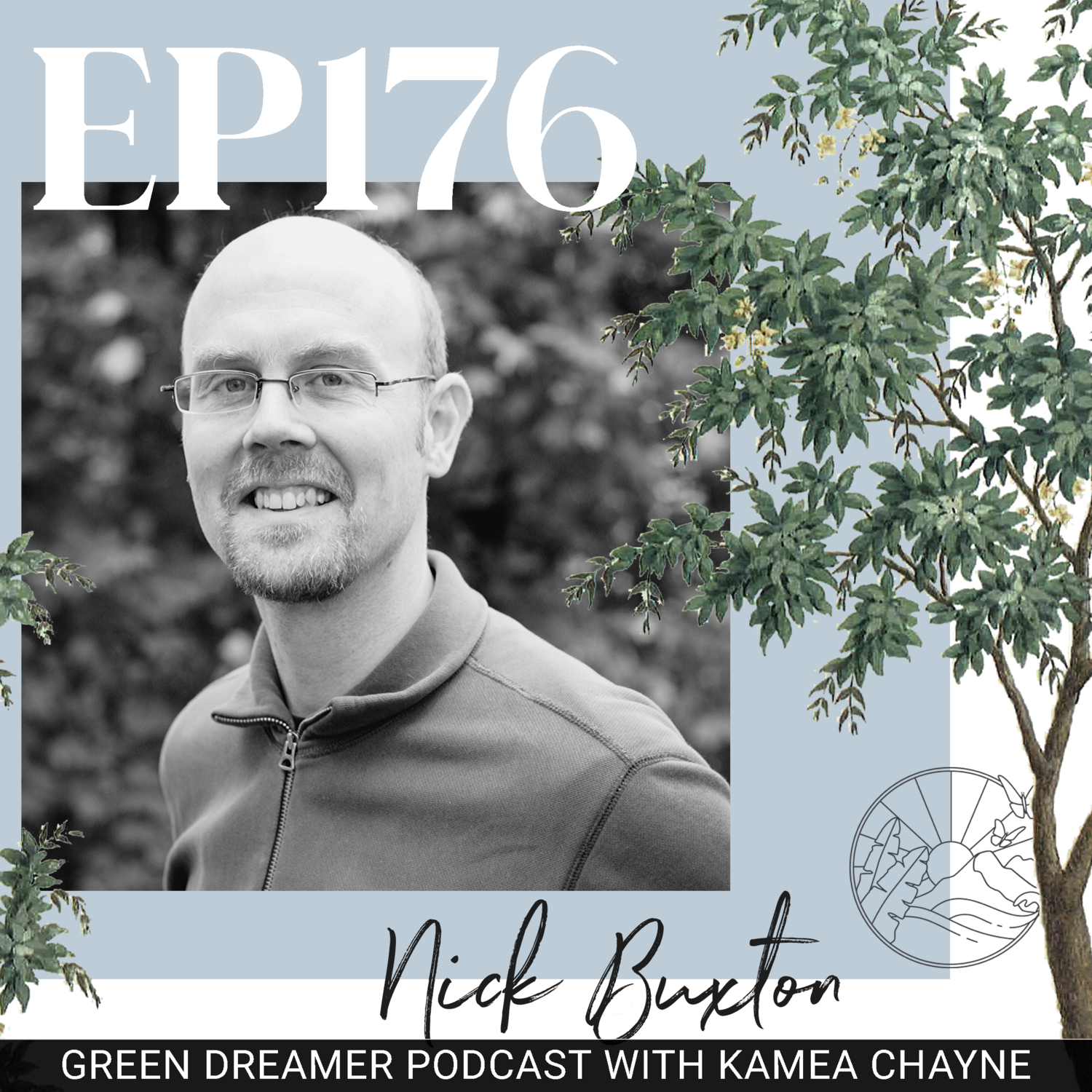
Militarism and its impact on societal and ecological welfare (interview with nick buxton of the secure and the dispossessed, part two)
In this podcast episode, Nick sheds light on the environmental impacts of the U.S. military-industrial complex; how an era of permanent war between countries led by our political leaders may be taking away the resources and attention needed to address the real crises that people on the grounds are facing on a day-to-day basis; and more.
Why framing climate change as security issues works against climate justice (interview with nick buxton of the secure and the dispossessed, part one)
In this podcast episode, why the prominent use of the term security (such as water security, food security, border security) may be at odds with our goals to seek for climate justice; how large corporations and our government already have lesser known plans to address climate change, but not in the ways we would want nor expect; and more.
Revolutionizing the shipping industry with zero-emission sail cargo ships (interview with danielle doggett of sailcargo)
In this podcast episode, Danielle sheds light on The current environmental impact of the shipping industry; how her team is building a carbon-neutral cargo shipping boat that is also aiming to be regenerative by design; and more.
Revitalizing native american foods and re-identifying north american cuisine (interview with sean sherman of the sioux chef)
In this podcast episode, Sean sheds light on why it is that in the United States, we can find restaurants of cuisines from all over the world, and barely any restaurants of Native American cuisines; how the Standard American Diet came to be so homogenous and disconnected from what's actually available within the diverse bioregions across the country; and more.