
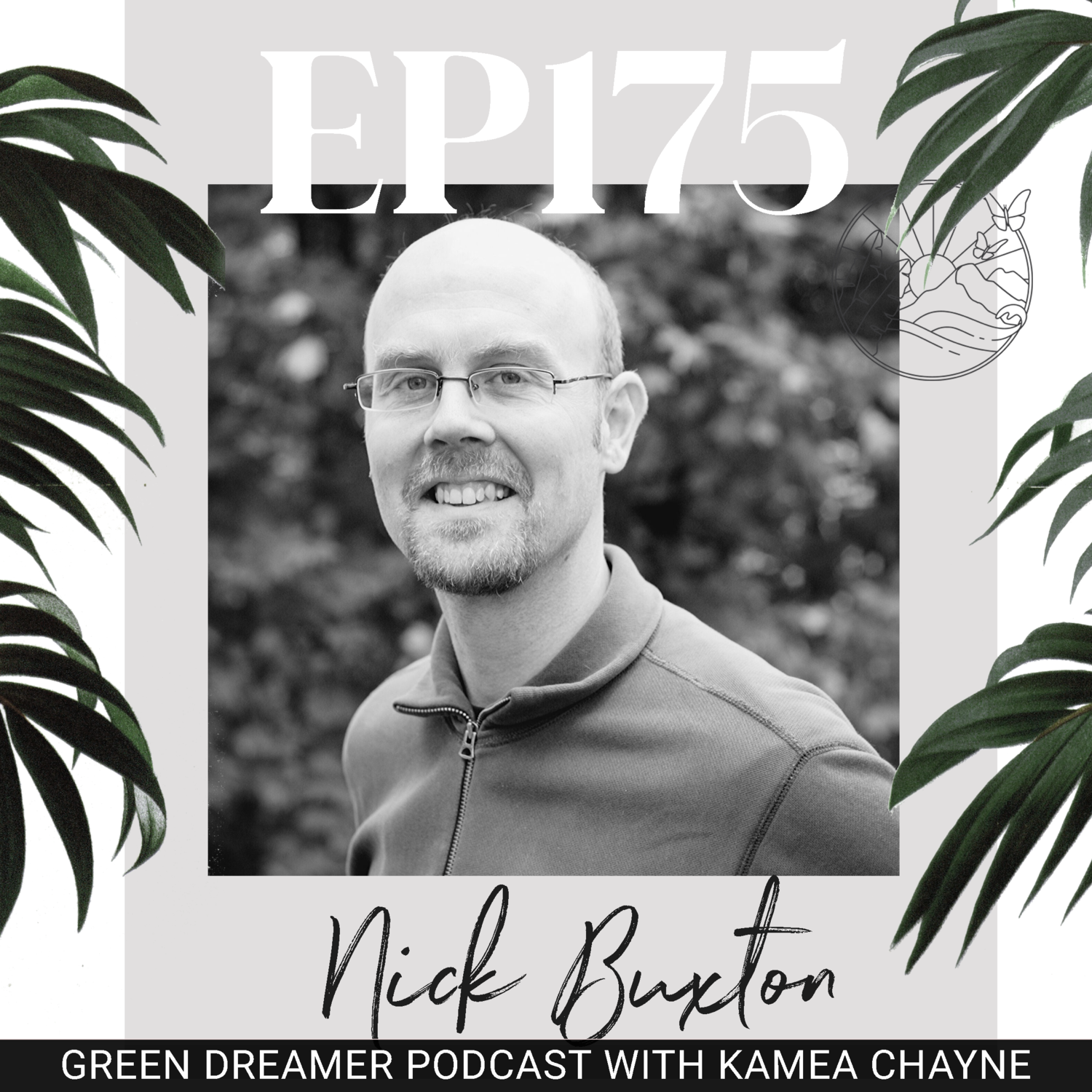
Why framing climate change as security issues works against climate justice (interview with nick buxton of the secure and the dispossessed, part one)
In this podcast episode, why the prominent use of the term security (such as water security, food security, border security) may be at odds with our goals to seek for climate justice; how large corporations and our government already have lesser known plans to address climate change, but not in the ways we would want nor expect; and more.
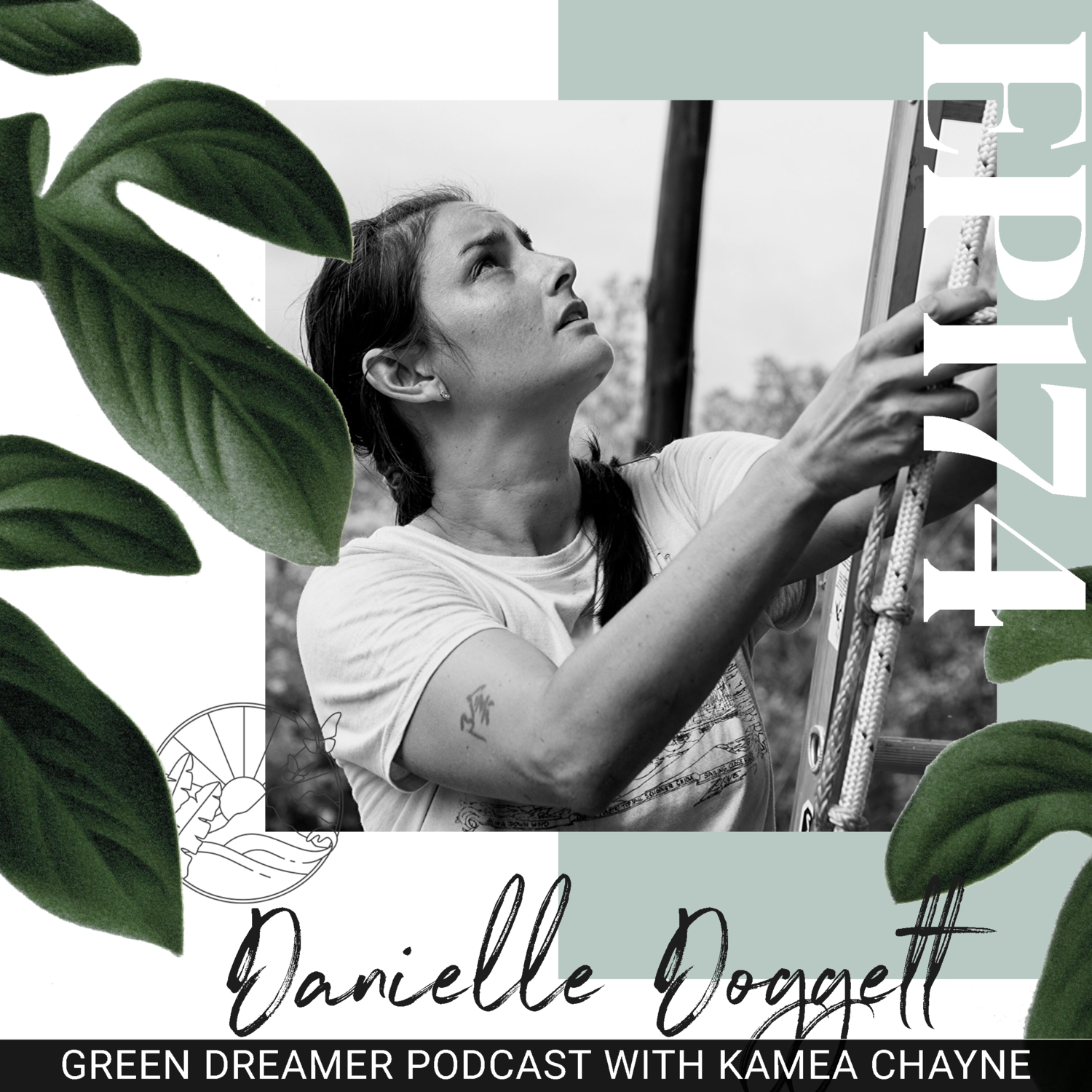
Revolutionizing the shipping industry with zero-emission sail cargo ships (interview with danielle doggett of sailcargo)
In this podcast episode, Danielle sheds light on The current environmental impact of the shipping industry; how her team is building a carbon-neutral cargo shipping boat that is also aiming to be regenerative by design; and more.
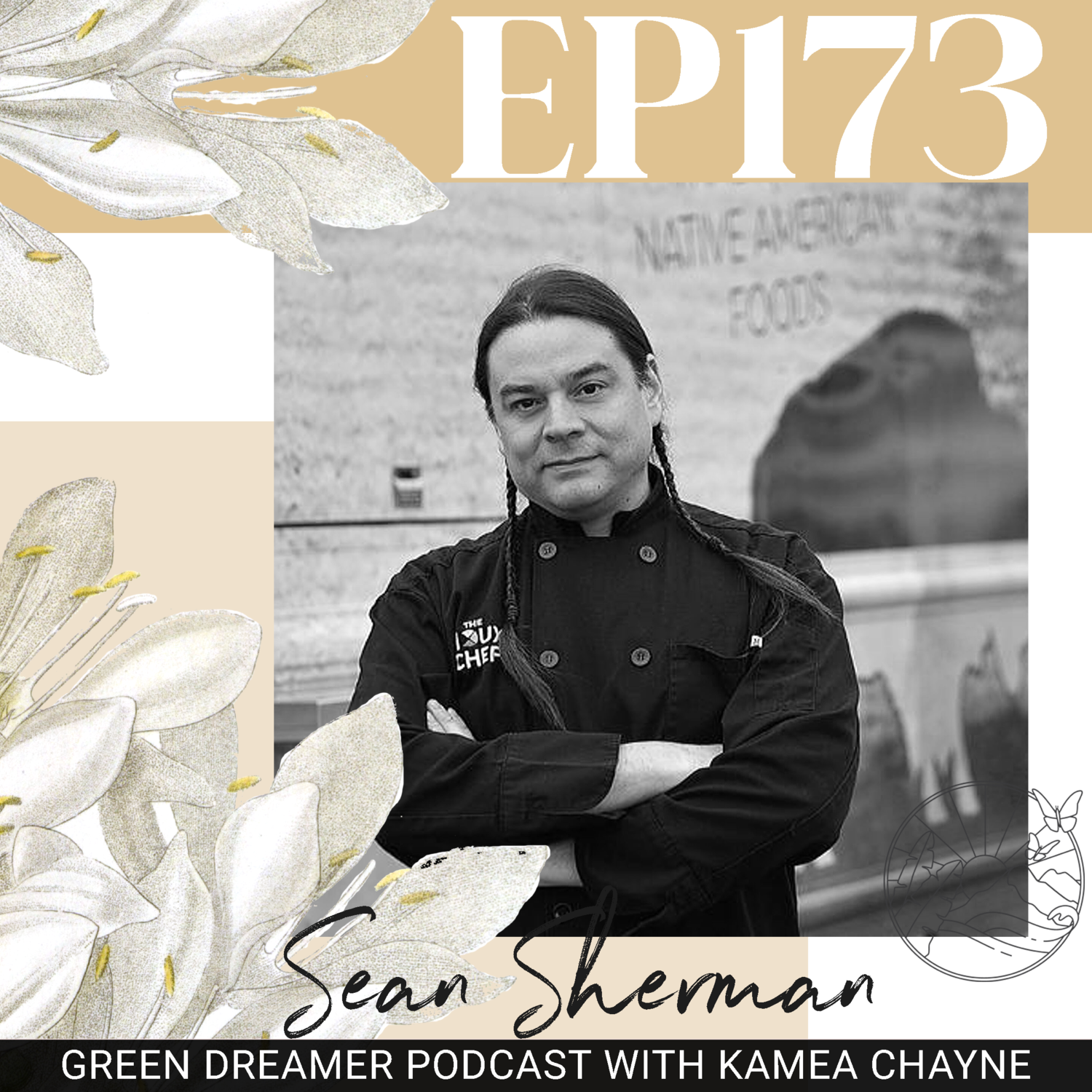
Revitalizing native american foods and re-identifying north american cuisine (interview with sean sherman of the sioux chef)
In this podcast episode, Sean sheds light on why it is that in the United States, we can find restaurants of cuisines from all over the world, and barely any restaurants of Native American cuisines; how the Standard American Diet came to be so homogenous and disconnected from what's actually available within the diverse bioregions across the country; and more.

Breaking free from the consumerist culture to fill our inner voids (interview with whitney bauck of fashionista)
In this podcast episode, Whitney sheds light on what fast fashion is and how it came to be; how social media has influenced our levels of consumption; how our consumerist culture relates to our collective mental health; and more.
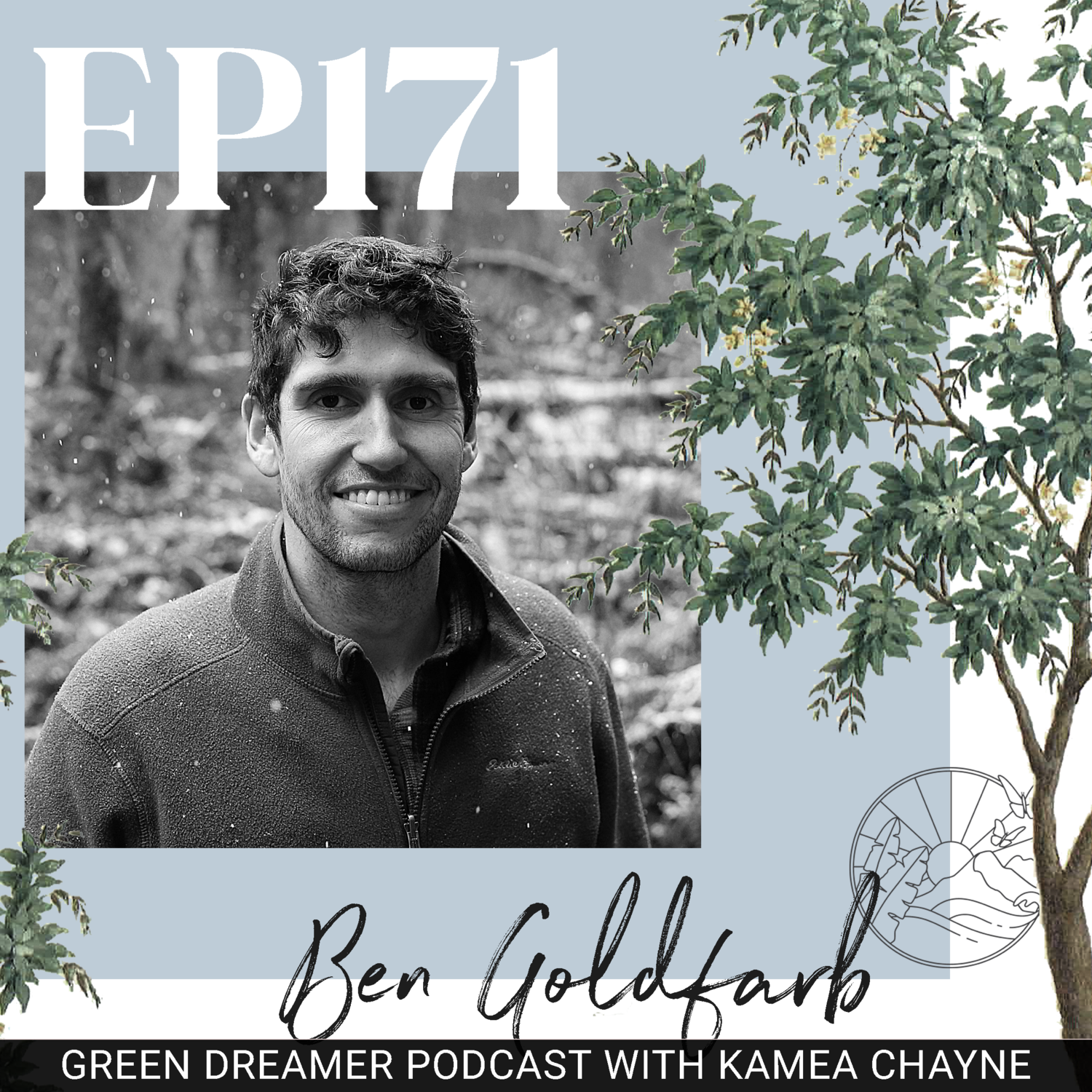
The vital role of beavers in enriching and strengthening our ecosystems (interview with ben goldfarb of eager)
In this podcast episode, Ben sheds light on how we've wiped out 99% of our beavers in North America; the vital role that beavers play in enriching wild landscapes and building our collective resilience against climate change; why our modern ideas of what healthy ecosystems look like have been wrong; and more.
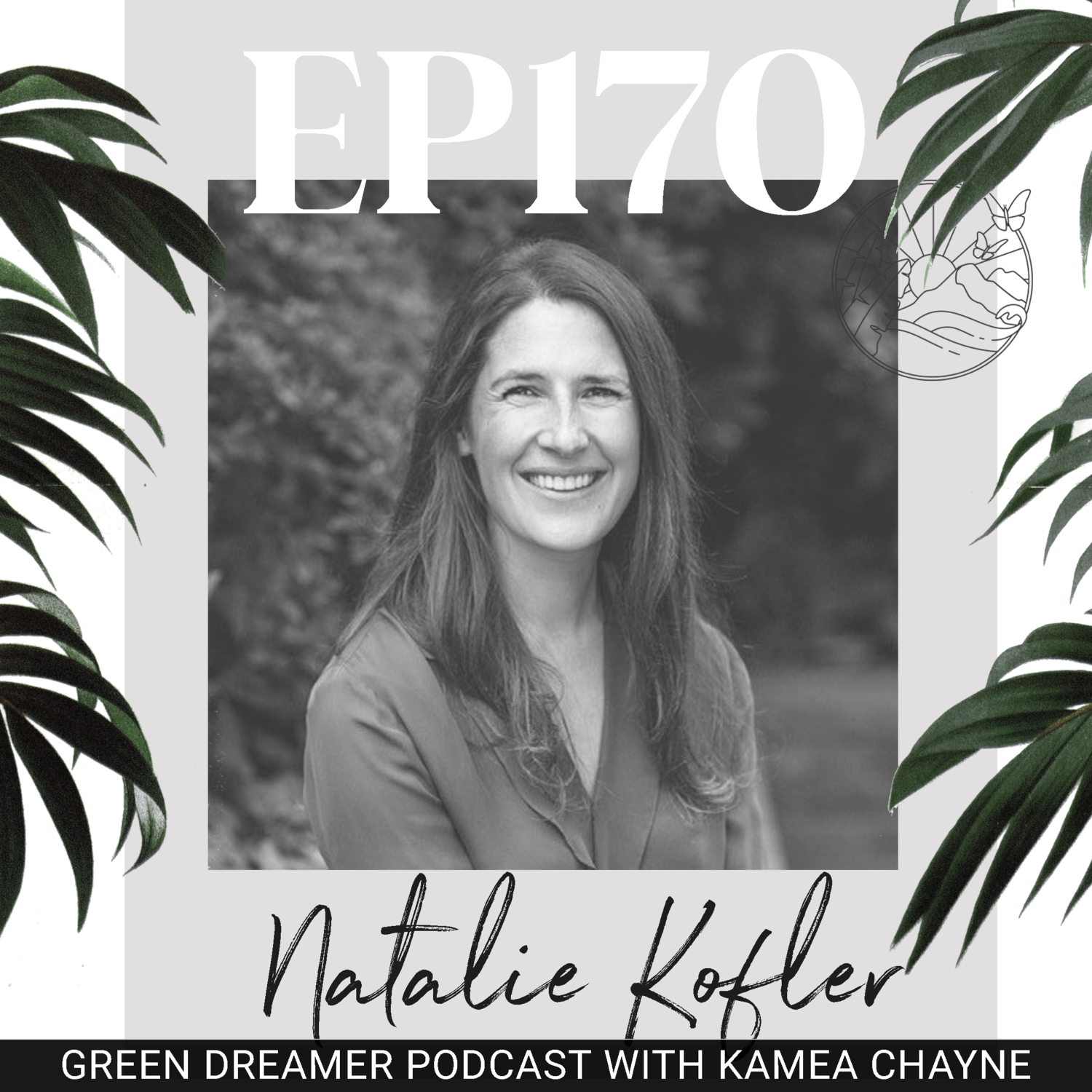
The ethics and application of gene-editing for ecological conservation (interview with natalie kofler of editing nature)
On this podcast episode, Kenton sheds light on what rewilding is all about; how modern civilization has dehumanized us and disconnected us from our innate and instinctive human senses; how the endless pursuit of comfort over the pursuit of fulfillment may lead us to feeling more empty being more consumptive over time; and more.
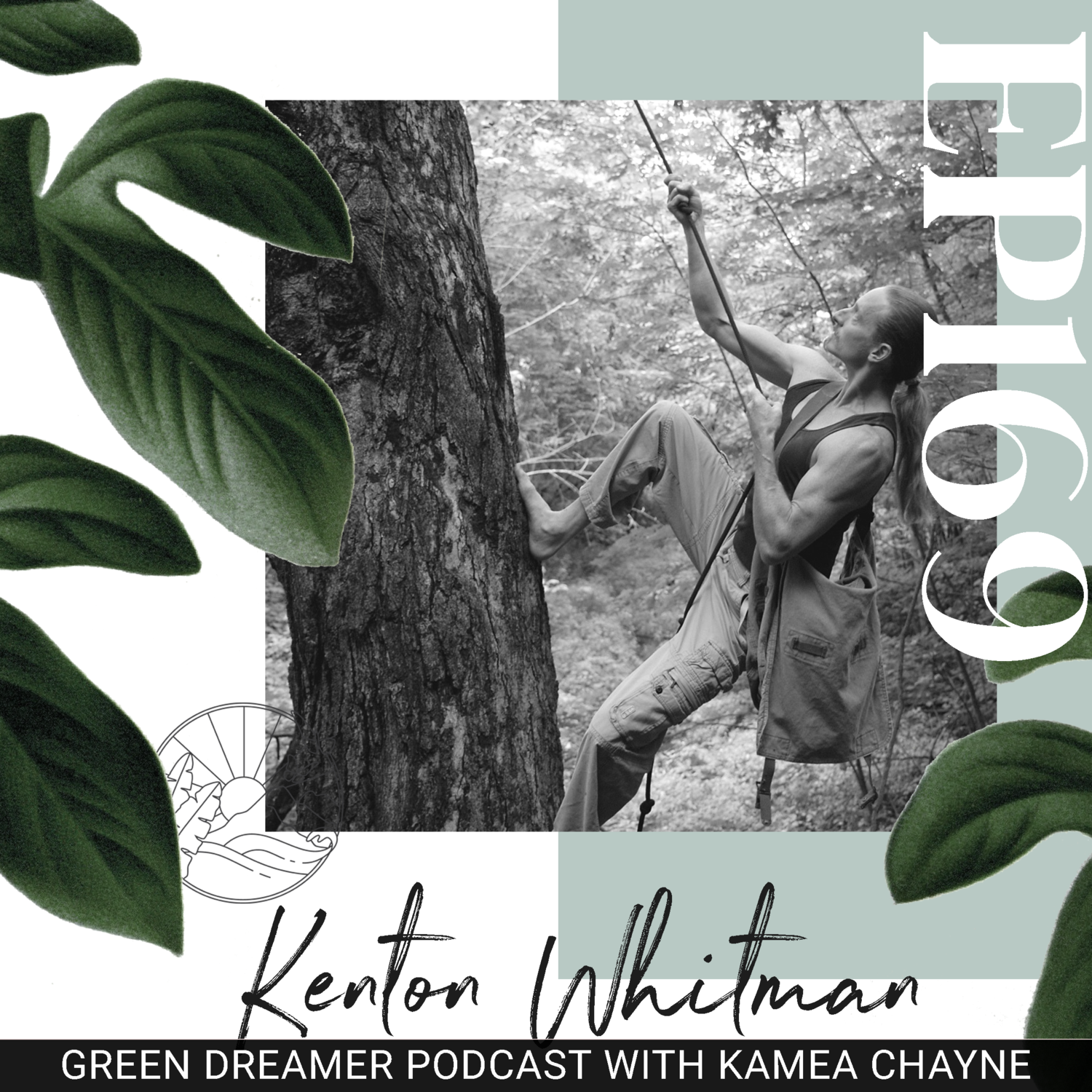
Rewilding to gain new perspectives on modern civilization (interview with kenton whitman of rewild university)
On this podcast episode, Kenton sheds light on what rewilding is all about; how modern civilization has dehumanized us and disconnected us from our innate and instinctive human senses; how the endless pursuit of comfort over the pursuit of fulfillment may lead us to feeling more empty being more consumptive over time; and more.
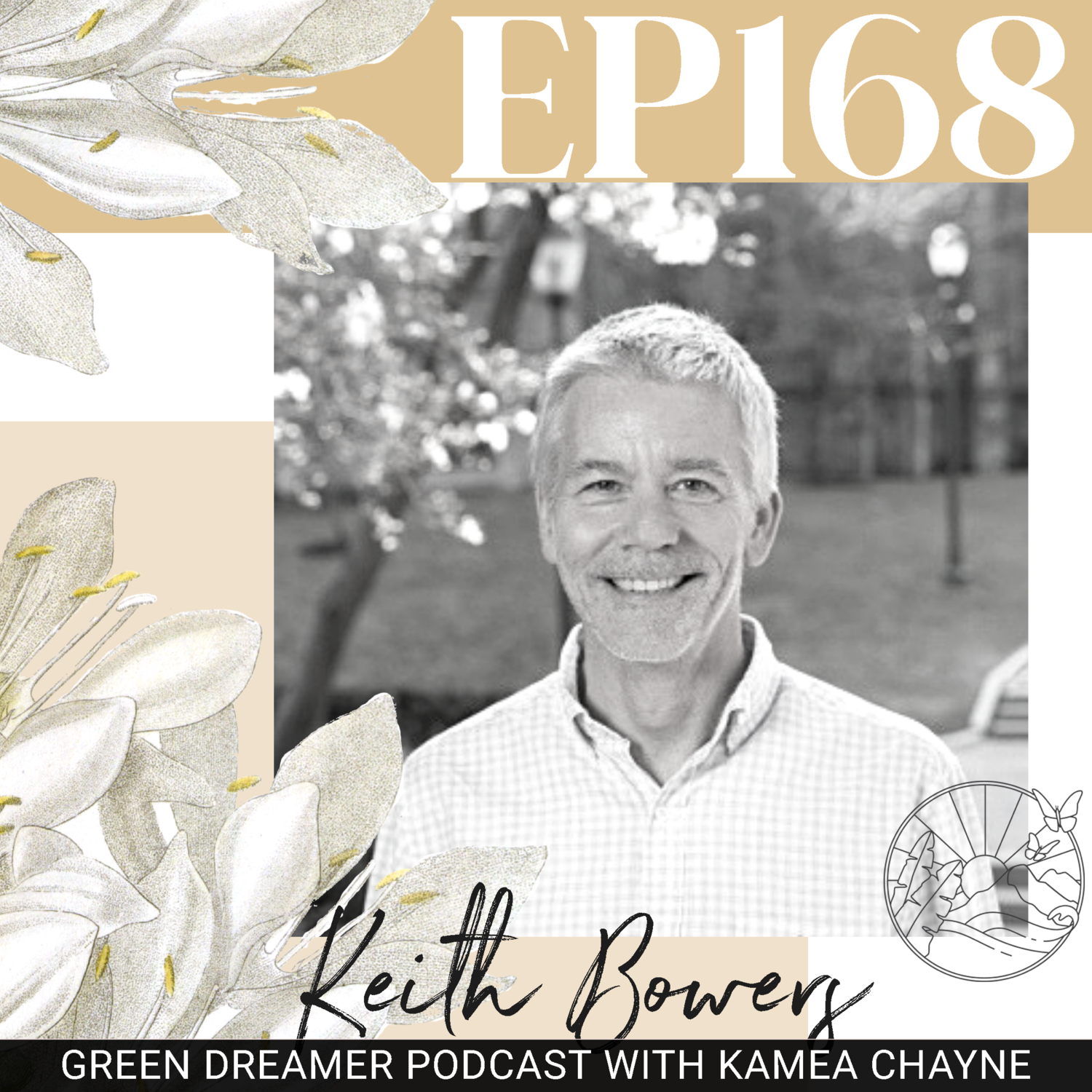
The connectivity and complexity in urban ecology beyond simply 'greening' our landscapes (interview with keith bowers of biohabitats, part two)
In this episode, Keith sheds light on what it means to support more novel, technology-driven solutions to our environmental issues as opposed to solutions based more on biomimicry; why simply greening our urban spaces without looking at habitat connectivity and the specific choice of species is inadequate for maximizing our positive impacts with restoration; and more.
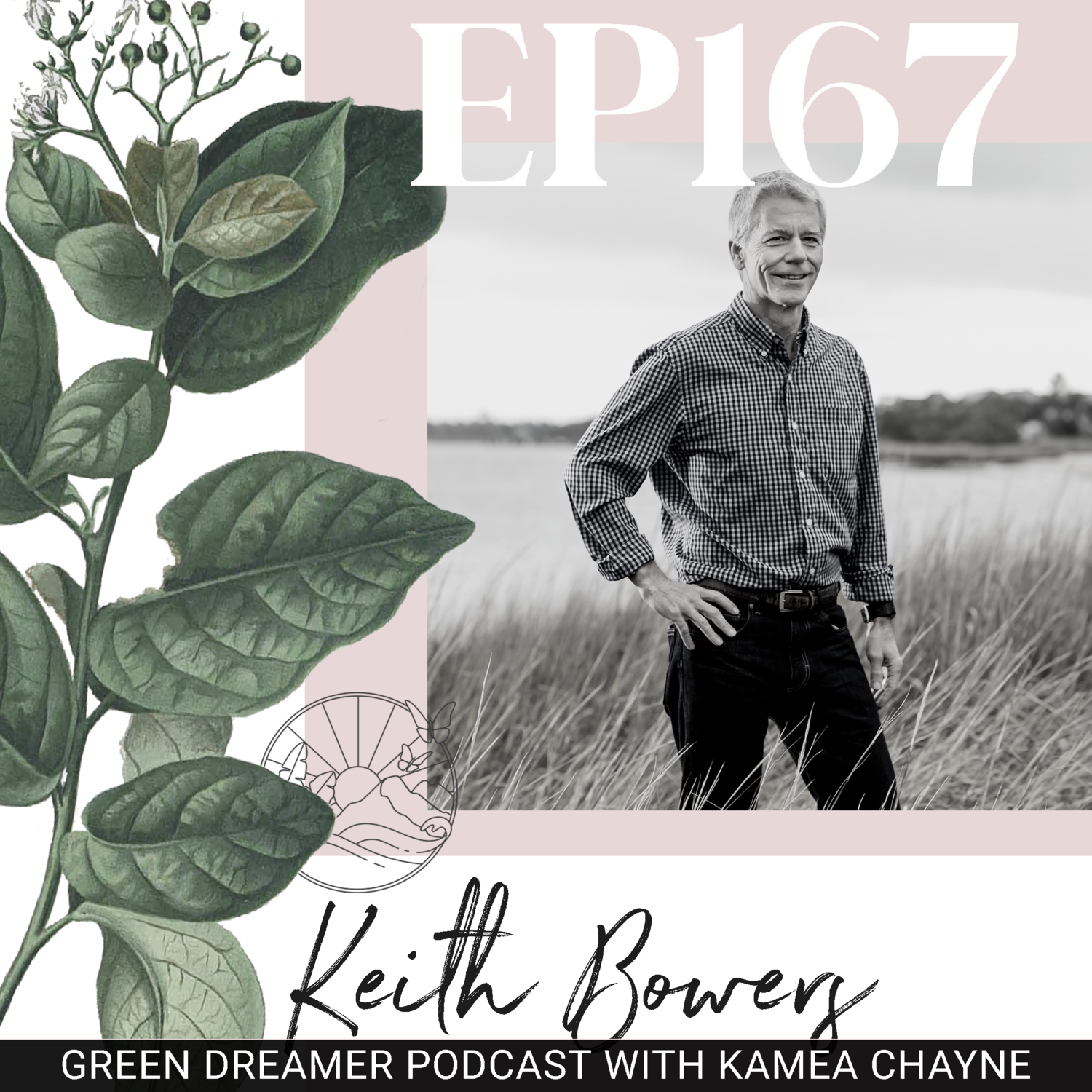
Being proactive in restoration and planning for a more biodiverse planet today (interview with keith bowers of biohabitats, part one)
In this podcast episode, Keith sheds light on how much we need to focus our efforts on restoration versus conservation; why it is that, although we're a part of nature and all species impact their environments in some way, we've uniquely altered our landscapes in ways that require us to restore natural habitats; and more.
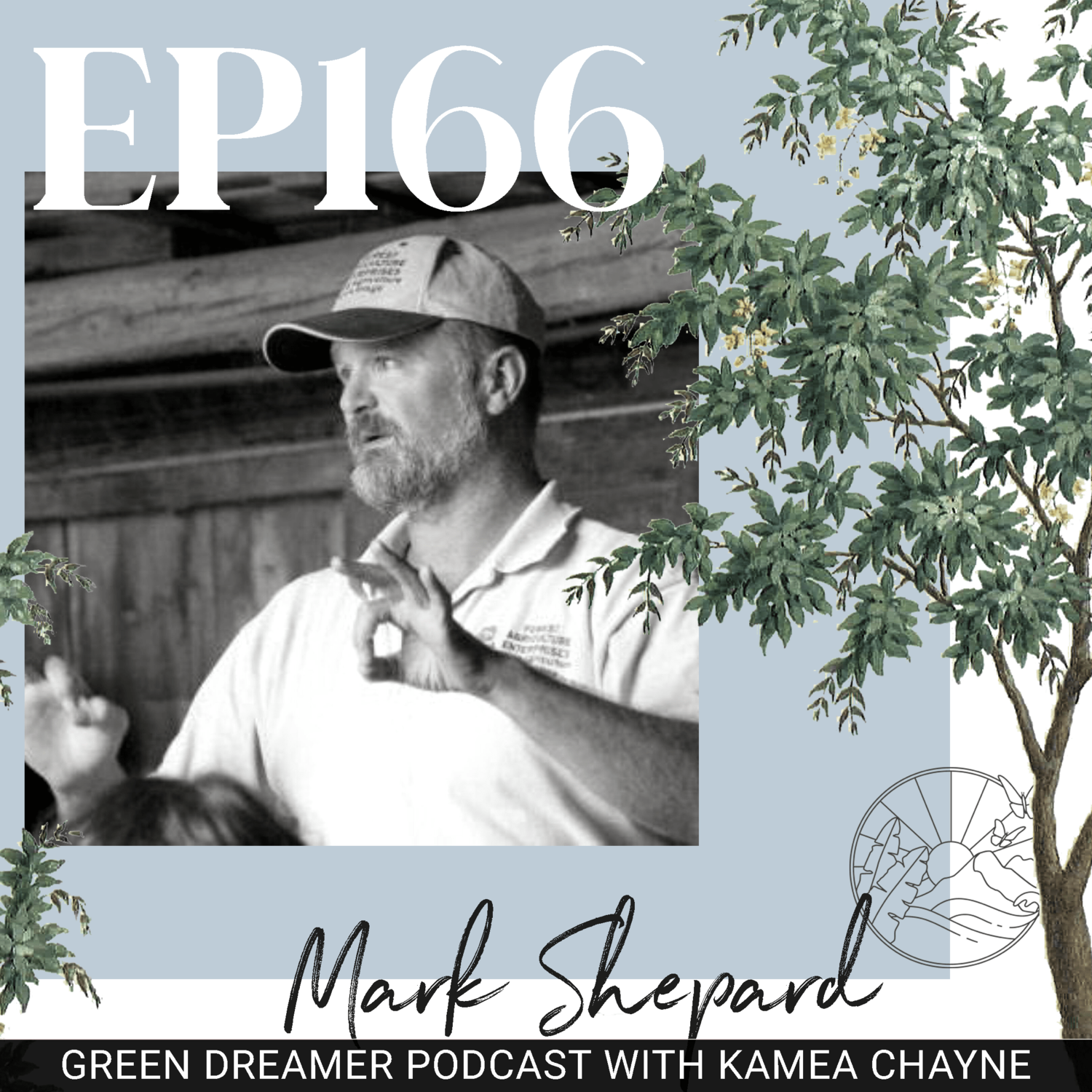
Restoration agriculture and letting go of micromanagement to allow nature to thrive (interview with mark shepard of restoration agriculture development)
In this podcast episode, Mark sheds light on why we need to stop trying so hard to realize a world based on persistent concepts and ideals that we made up and instead, get out more to observe and learn from how natural ecosystems actually function; what is problematic about how we've developed a food system based mostly off of annual crops versus perennials; how he's been able to utilize a hands-off approach to growing food regeneratively, which he calls the STUN method (Sheer Total Utter Neglect); and more.
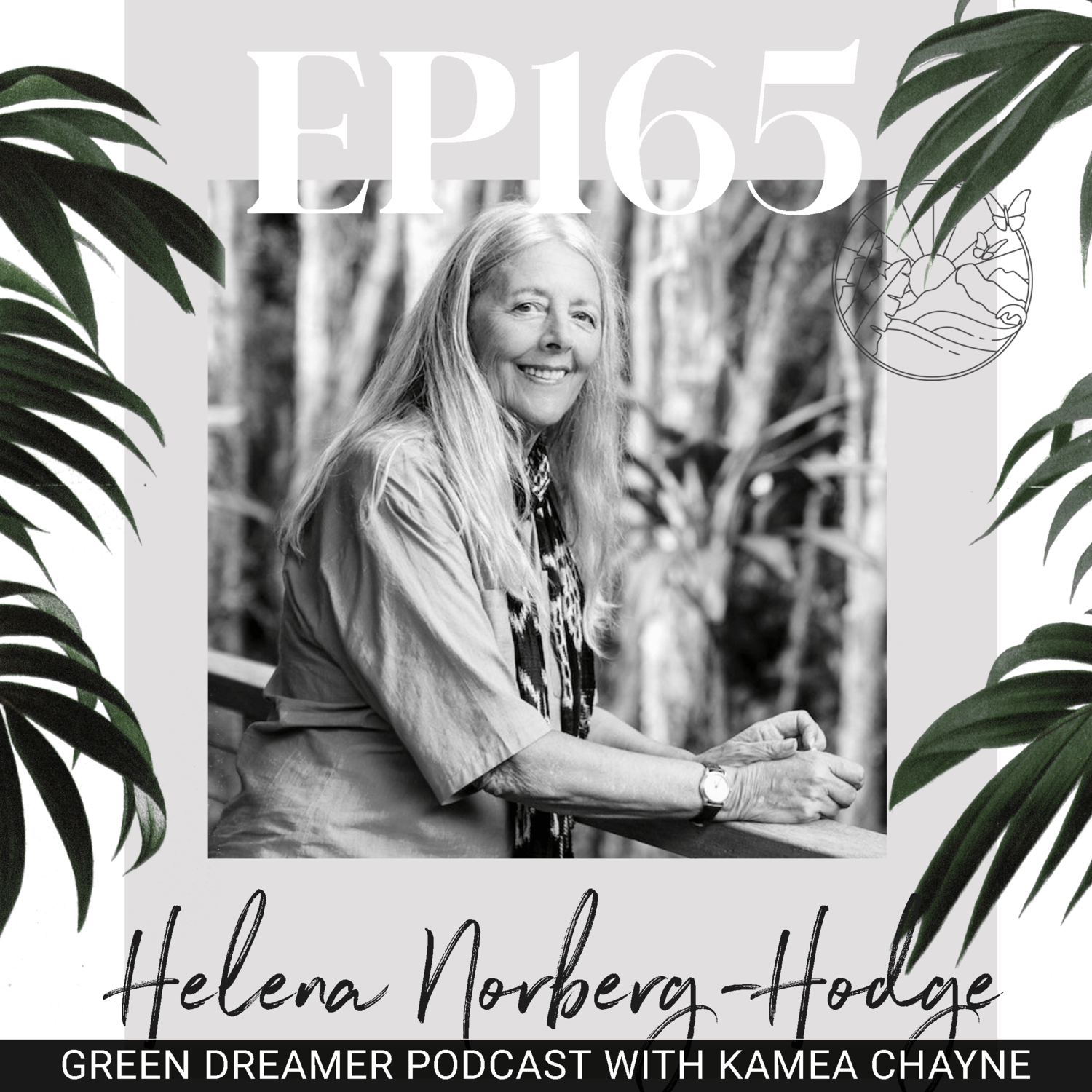
Helena norberg-hodge: localizing economies to address our spiritual, ecological and health crises (ep165)
In this podcast episode, Helena sheds light on why we need to question our view of economic wealth being the indicator of a community's welfare; what it means that we're not only facing social, economic, and ecological crises, but also a spiritual crisis that underlies it all; how the globalization of our economy has led to the degradation of our public and environmental wellbeing; and more.
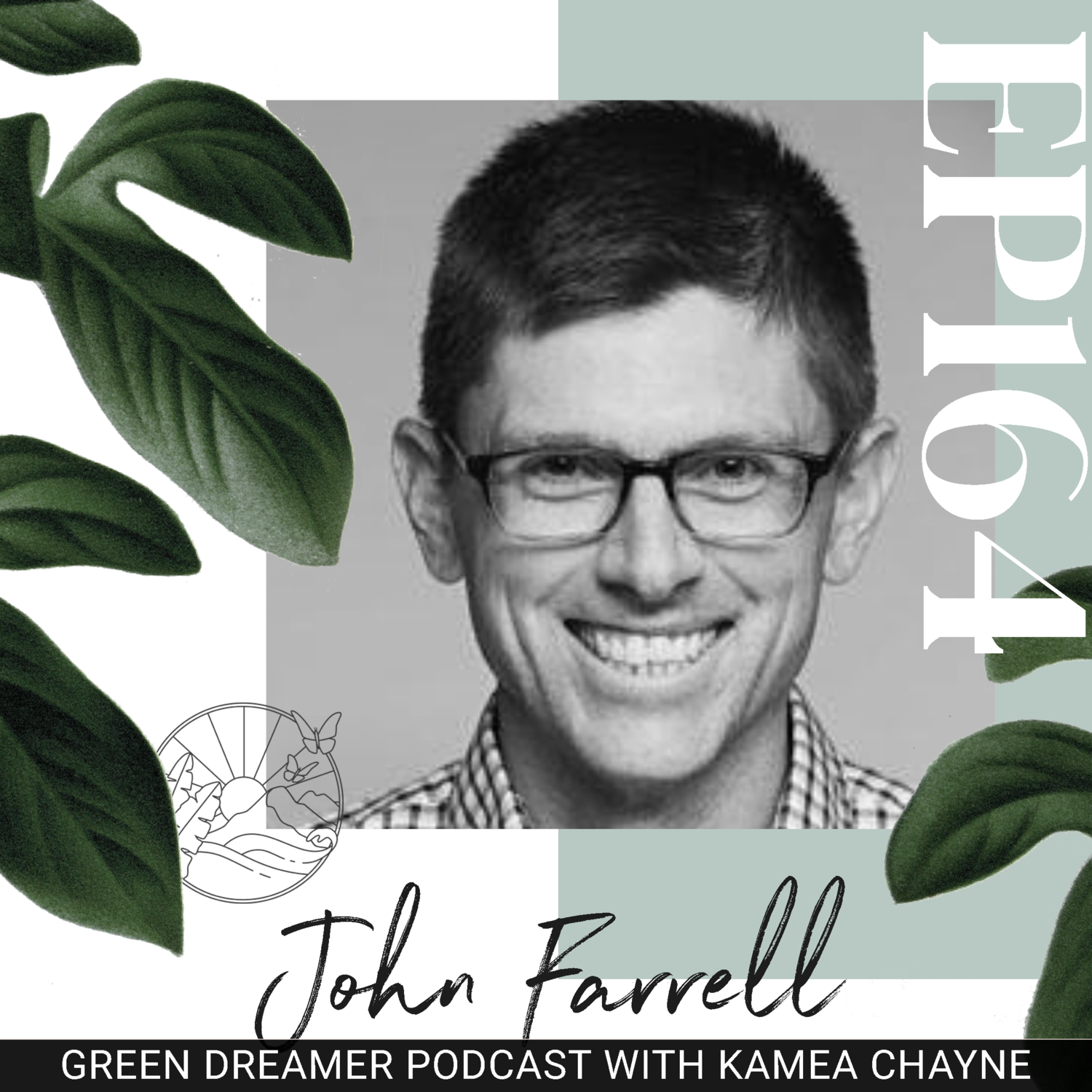
Why we need to decentralize our power grids for energy democracy (interview with john farrell of institute for local self-reliance)
In this podcast episode, John sheds light on how we came to develop and rely on our current centralized, top-down power grids today mostly driven by utility monopolies; why we need to not only shift towards renewable energy but also work towards energy democracy and the decentralization of power sources; why some utility companies may at the same time be supporting solar energy while lobbying against it; and more.
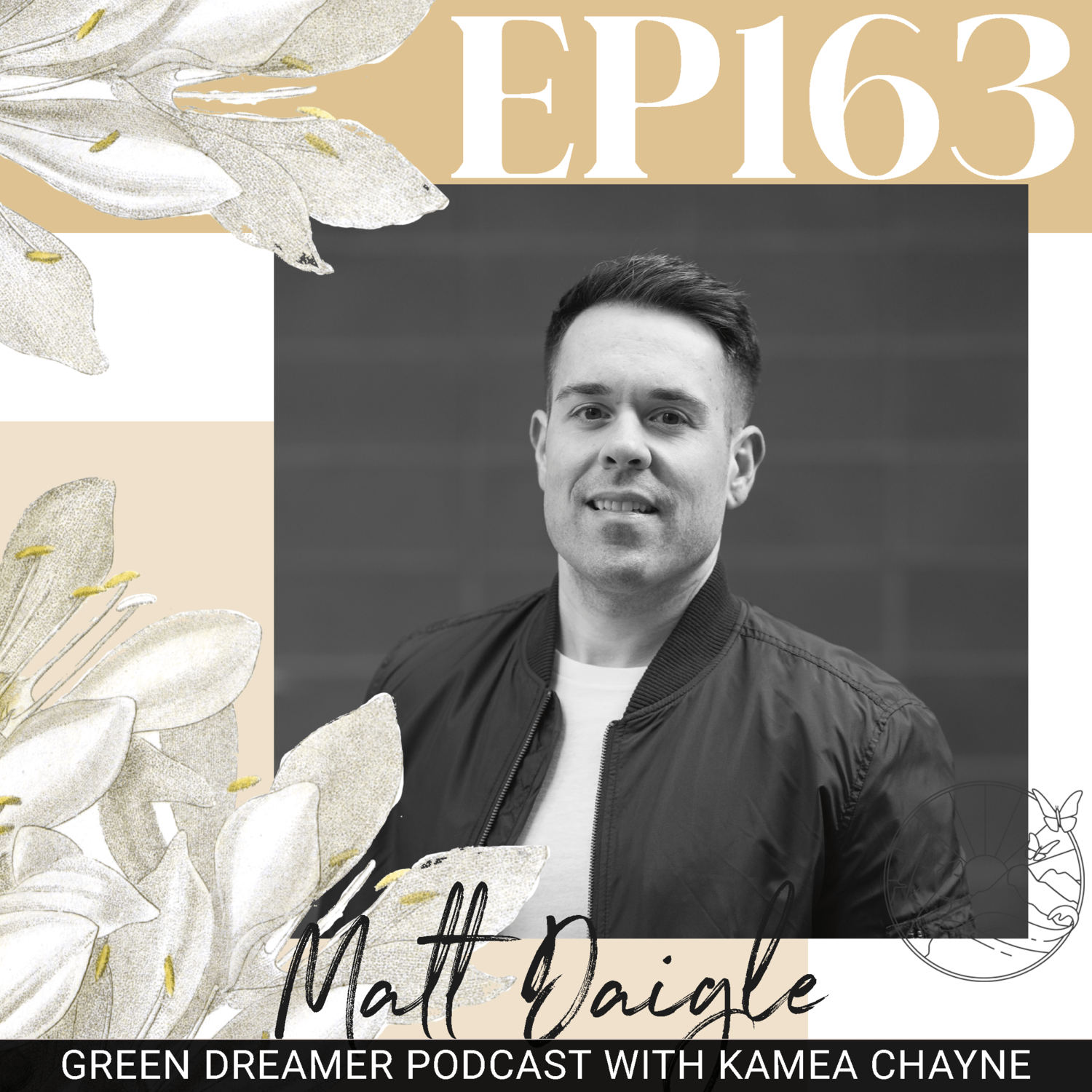
Getting started with affordable and sustainable home improvement projects (interview with matt daigle of rise)
In this podcast episode, Matt sheds light on why we need to be concerned and critical of the safety and sustainability of our home environments; how climate change is shifting the decisions people make in regards to their homes; some easy home improvement tips for homeowners and non-homeowners; and more.
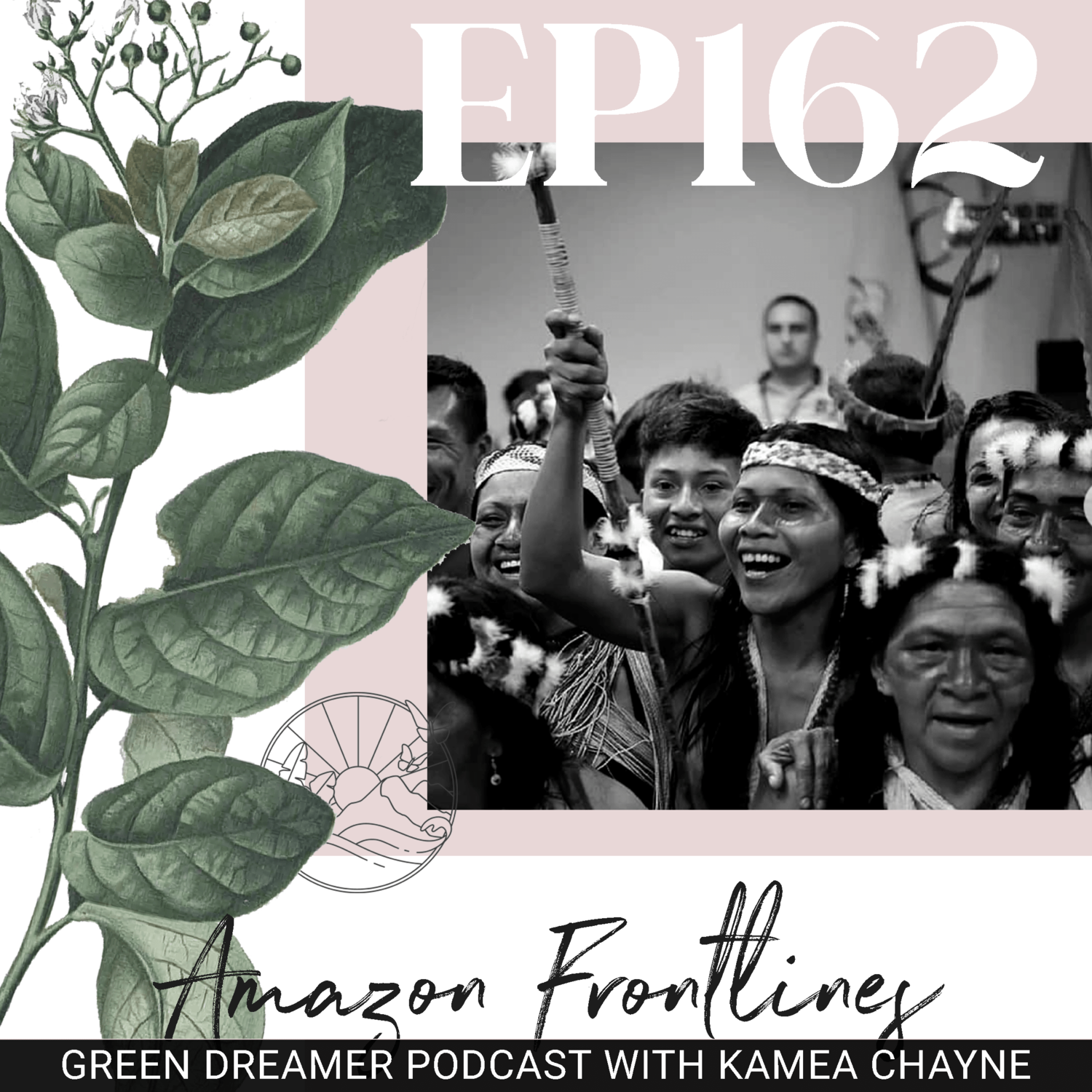
Recent wins in safeguarding indigenous lands in the amazon rainforest (interview with mitch anderson of amazon frontlines, part two)
In this podcast episode, Mitch sheds light on some key wins that we've had lately in safeguarding our Amazonian Indigenous lands and what it took for that to happen; how we can stand in solidarity with our Indigenous peoples to support the conservation of their ancestral lands; and more.
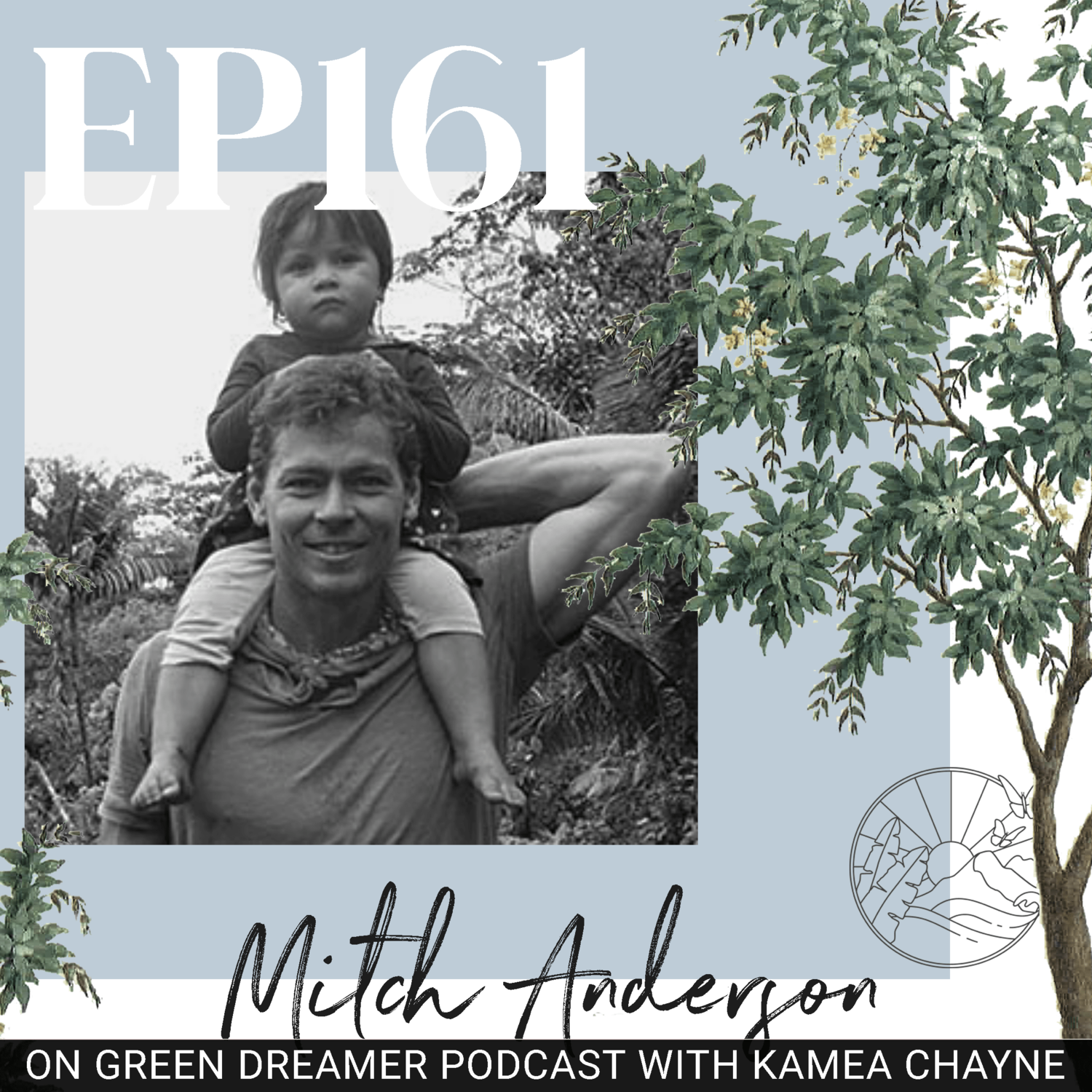
Dismantling privileged views to support the struggles of amazon's indigenous peoples (interview with mitch anderson of amazon frontlines, part one)
In this podcast episode, Mitch sheds light on how one who's grown up with a privileged background can begin dismantling that worldview to be able to truly understand and meaningfully support the struggles of marginalized people; how we can go about helping our Indigenous people of the Amazon Rainforest to achieve their goals of conservation without perpetuating white saviorism or further marginalizing them with our senses of morality and idealism; and more.